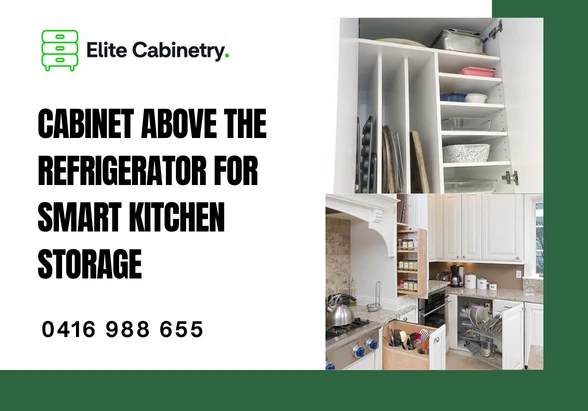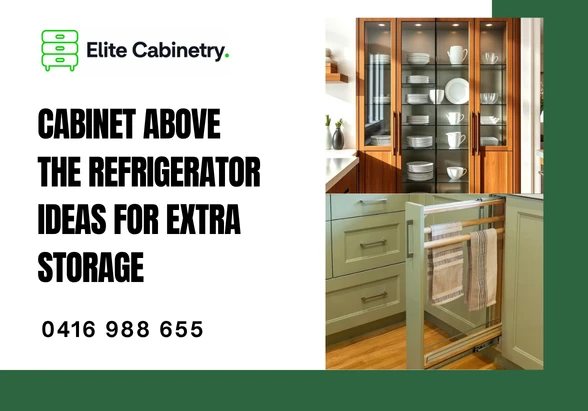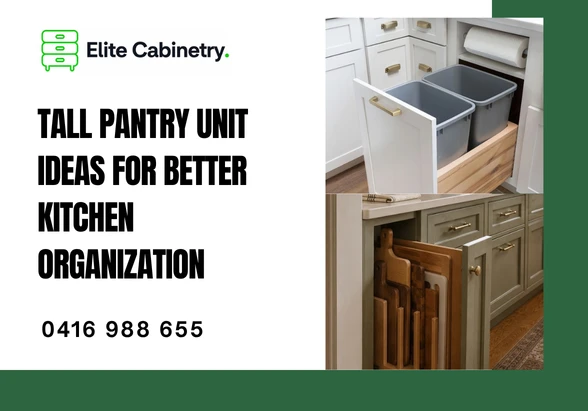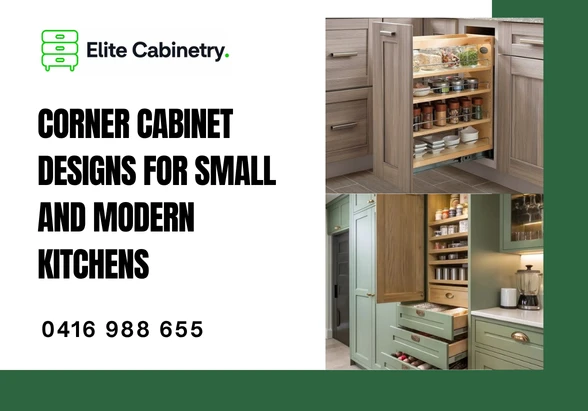
A well-designed kitchen is more than just beautiful countertops and sleek cabinet doors; its true value lies in how effortlessly it functions behind closed doors. When embarking on a kitchen renovation or building from scratch, mastering the layout of your kitchen storage is the single most critical factor in ensuring long-term usability and daily comfort. From the bustling activity of a family breakfast to the meticulous preparation of a multi-course dinner, every tool, ingredient, and appliance should have a designated, easily accessible home. This comprehensive guide breaks down the science of planning kitchen cabinet interiors, focusing on the three most critical areas: pantries, drawers, and those notoriously difficult corner cabinets.
The Fundamentals of Kitchen Storage Planning
Before diving into catalog designs or selecting cabinet finishes, you must analyze how you use your kitchen. Modern kitchen design relies heavily on zone planning, which goes beyond the traditional work triangle to organize your space based on daily tasks. A functional kitchen is divided into five distinct zones: consumables (pantry and fridge), non-consumables (dishes and cutlery), cleaning (sink and dishwasher), preparation (prep space, mixing bowls, and spices), and cooking (stove, oven, pots, and pans).
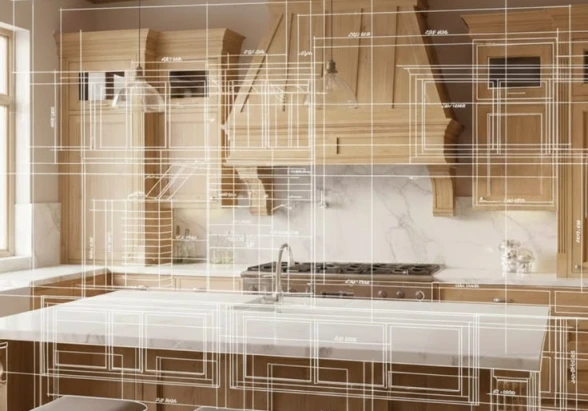
To plan your storage effectively, begin by taking a physical inventory of your current kitchen. Note down items that are difficult to store, such as oversized stockpots, tall cereal boxes, or heavy stand mixers. Measure their dimensions and think about where they should ideally sit relative to your cooking and preparation zones. This step ensures that your custom kitchen cabinet interiors are tailored to your lifestyle rather than a generic layout.
Furthermore, consider the physical ergonomics of your kitchen. The items you use daily should reside in the "easy-reach zone"—the area between your hips and shoulders. Heavy items that are used less frequently belong in lower cabinets, while lightweight, seasonal items are best suited for high overhead cupboards.
Designing the Ultimate Pantry: Accessibility Meets Capacity
The pantry is the engine room of your kitchen. Whether you have space for a massive walk-in larder or a compact pull-out unit, the goal is to prevent food items from getting lost in dark, unreachable depths. Several highly effective pantry configurations offer different balances of storage volume and accessibility.
The Pull-Out Larder
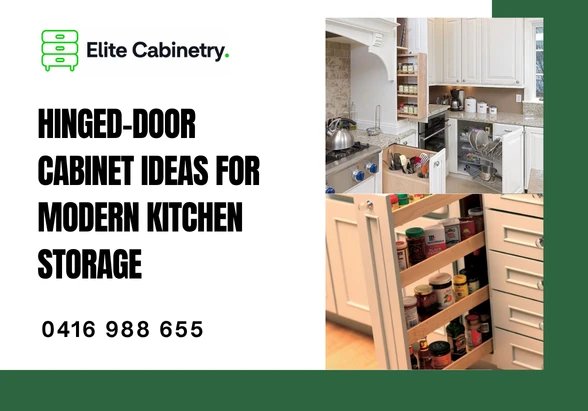
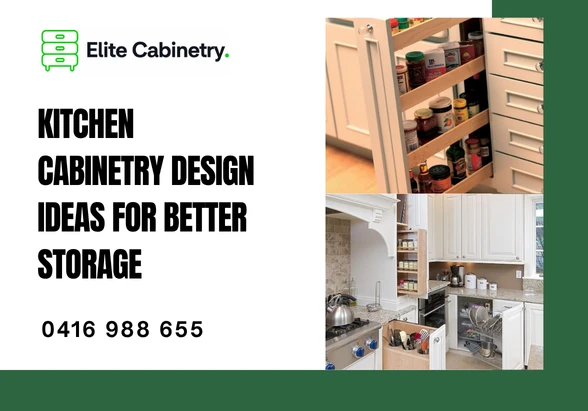
Ideal for narrow spaces, a tall pull-out pantry features shelves attached to a single door that glides out on heavy-duty runners. When you pull the door, the entire contents of the pantry slide forward, allowing you to access items from both the left and right sides. This eliminates the classic problem of jars hiding at the back of a deep shelf.
The Inner Drawer Pantry
Often referred to as a "Space Tower" configuration, this setup features a standard tall cabinet door that opens to reveal a series of individually extendable internal drawers. This is widely considered the gold standard for modern kitchen cabinet interiors. Because each drawer opens independently, you only move the weight of that specific drawer, and you can look down onto your groceries from above. This design easily supports heavy loads like canned goods and flour bags on runners rated up to 70 kilograms.
Traditional Shelving with a Twist
If you prefer open shelving inside a walk-in pantry, make sure the shelf depths are varied. Deep shelves (more than 400mm) are excellent for appliances but terrible for canned goods. For dry food storage, shallow shelves (200mm to 300mm) are far superior because they force items into a single or double-row alignment, keeping everything visible at a glance.
The Drawer Revolution: Why Base Cabinets Need Drawers, Not Shelves
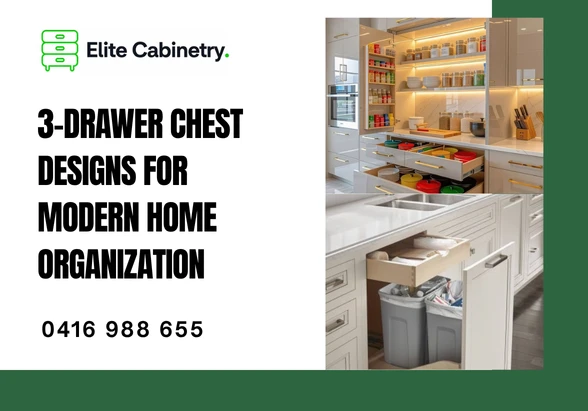
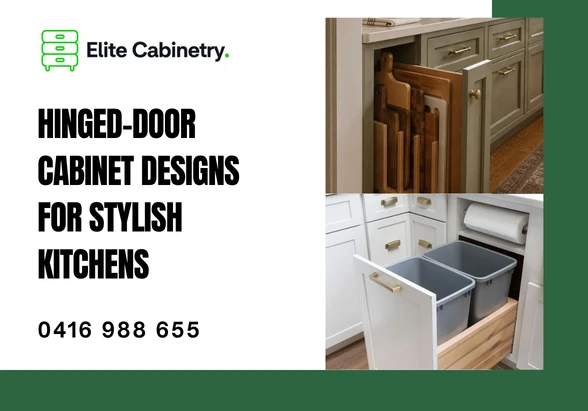
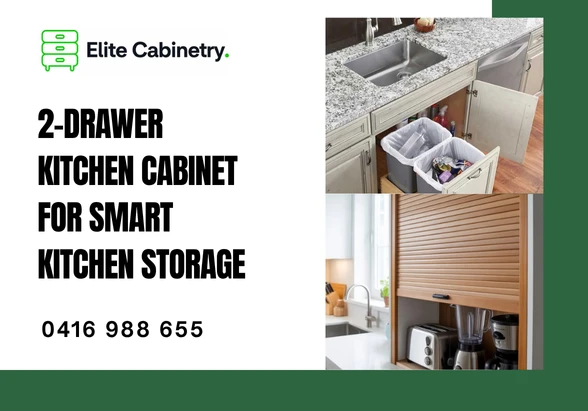
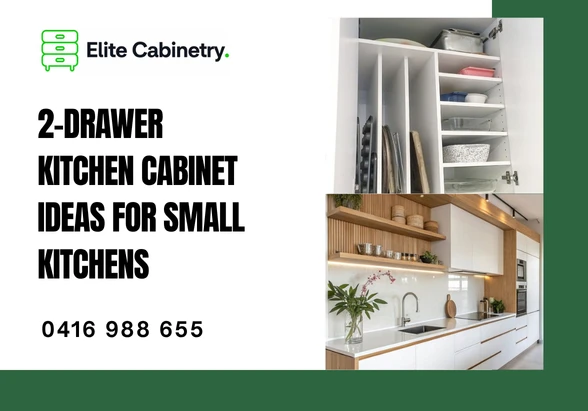
In contemporary kitchen design, traditional base cupboards with swing-out doors and fixed internal shelves are rapidly being phased out. In their place, deep drawer systems have become the preferred standard for lower cabinets, and for very practical reasons.
When you open a traditional cupboard door, you must bend down, kneel, and often remove three items from the front shelf just to reach a baking dish at the back. A deep drawer, by contrast, brings the entire contents of the cabinet out to you. With a single pull, you get a bird’s-eye view of everything inside. This is not just a matter of convenience; it significantly reduces physical strain over years of daily kitchen use.
To maximize the efficiency of your base drawers, categorize them by depth and purpose:
- Shallow Drawers (100mm to 150mm deep): Perfect for cutlery, cooking utensils, spice jars, and small baking tools. Use adjustable internal dividers made of timber or high-grade plastic to prevent items from sliding around.
- Medium Drawers (200mm to 300mm deep): Ideal for storing plates, bowls, food storage containers, and everyday glassware. Using pegboard systems with adjustable wooden or plastic pegs allows you to stack plates securely without them rattling when the drawer is opened.
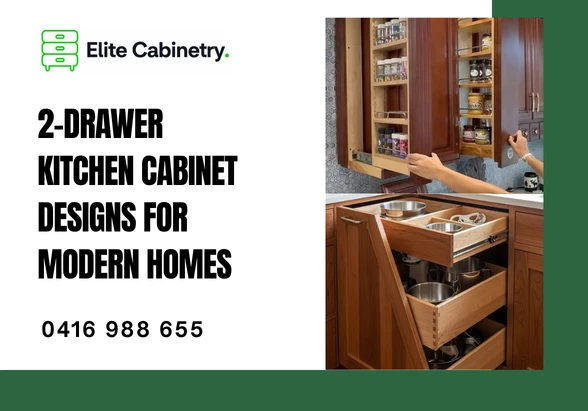
- Deep Drawers (350mm to 450mm deep): Designed for heavy pots, pans, lids, casserole dishes, and small appliances like blenders or food processors. Ensure these drawers are equipped with heavy-duty, full-extension runners that can handle the substantial weight.
Conquering the Corner: Smart Solutions for Dead Space
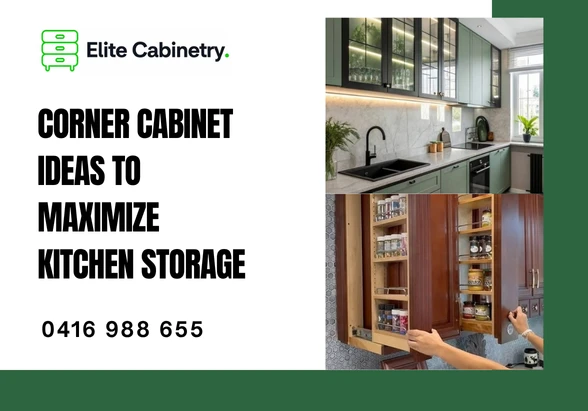
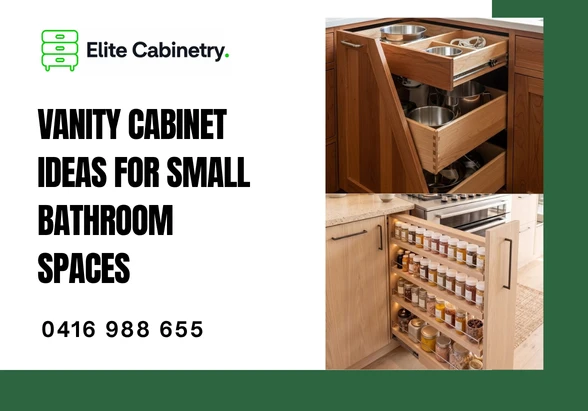
Corner cabinets are historically the most frustrating areas of any kitchen. They offer deep, voluminous space, but accessing that space without throwing your back out can feel impossible. Fortunately, modern cabinet engineering has yielded several highly sophisticated mechanisms to reclaim these dead zones.
The LeMans Pull-Out
Named after the famous racetrack due to its elegant, curving movements, the LeMans system features kidney-shaped shelves that glide completely out of a blind corner cabinet. Each shelf operates independently and can carry heavy cast-iron pots easily. Because the shelves swing entirely outside of the cabinet carcass, you have unobstructed access to the entire storage surface from above.
The Magic Corner
For rectangular blind corners, the Magic Corner is a mechanical marvel. When you open the cabinet door, it pulls a set of rectangular wire baskets forward. Simultaneously, a second set of baskets from the deep recesses of the corner slides over into the space previously occupied by the first set. It utilizes nearly every cubic centimeter of available corner space, though it is best suited for boxed goods and lighter items due to the complex mechanical linkages.
The Classic Lazy Susan / Carousel
Perfect for L-shaped corner cabinets with bi-fold doors, the Lazy Susan features circular or semi-circular shelves that rotate 360 degrees around a central pole. While highly reliable and cost-effective, care must be taken not to store small, loose items that could fall off the edges into the dark void beneath the carousel.
Corner Drawers
An alternative to swing-out mechanisms is the corner drawer system. These are drawers with a 90-degree V-shaped front that pull straight out into the room. They offer the ergonomic benefits of standard drawers while utilizing corner space, though they do require meticulous custom manufacturing to align perfectly with adjacent cabinetry.
Integrating Specialized Storage Solutions
Once you have planned your pantry