
Free Shipping & Free Return

Upper Kitchen Cabinet
SKU: 800mm OFWC
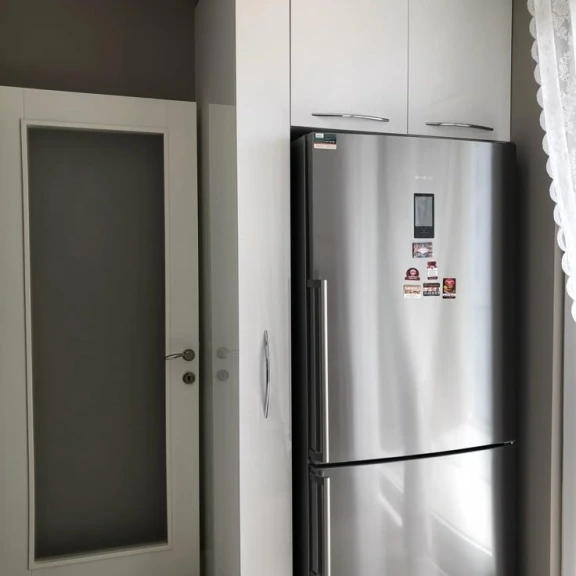
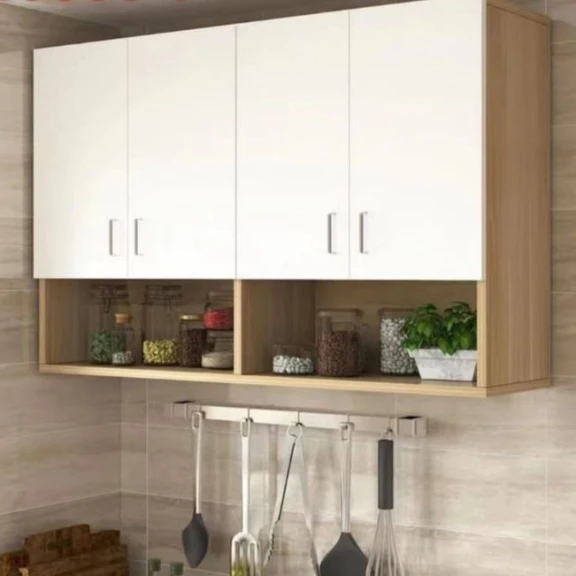
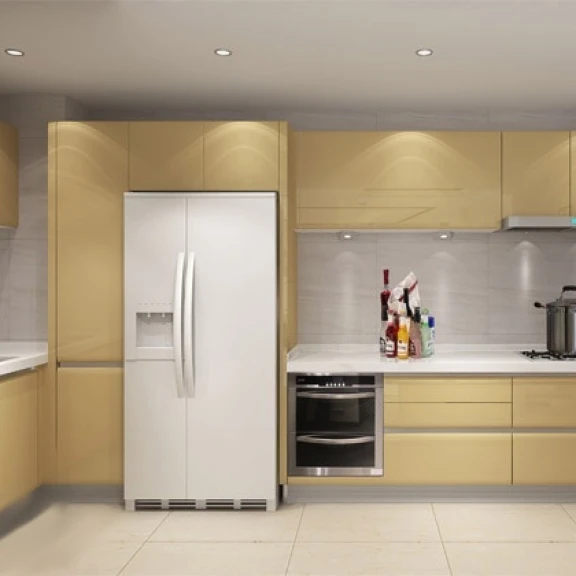
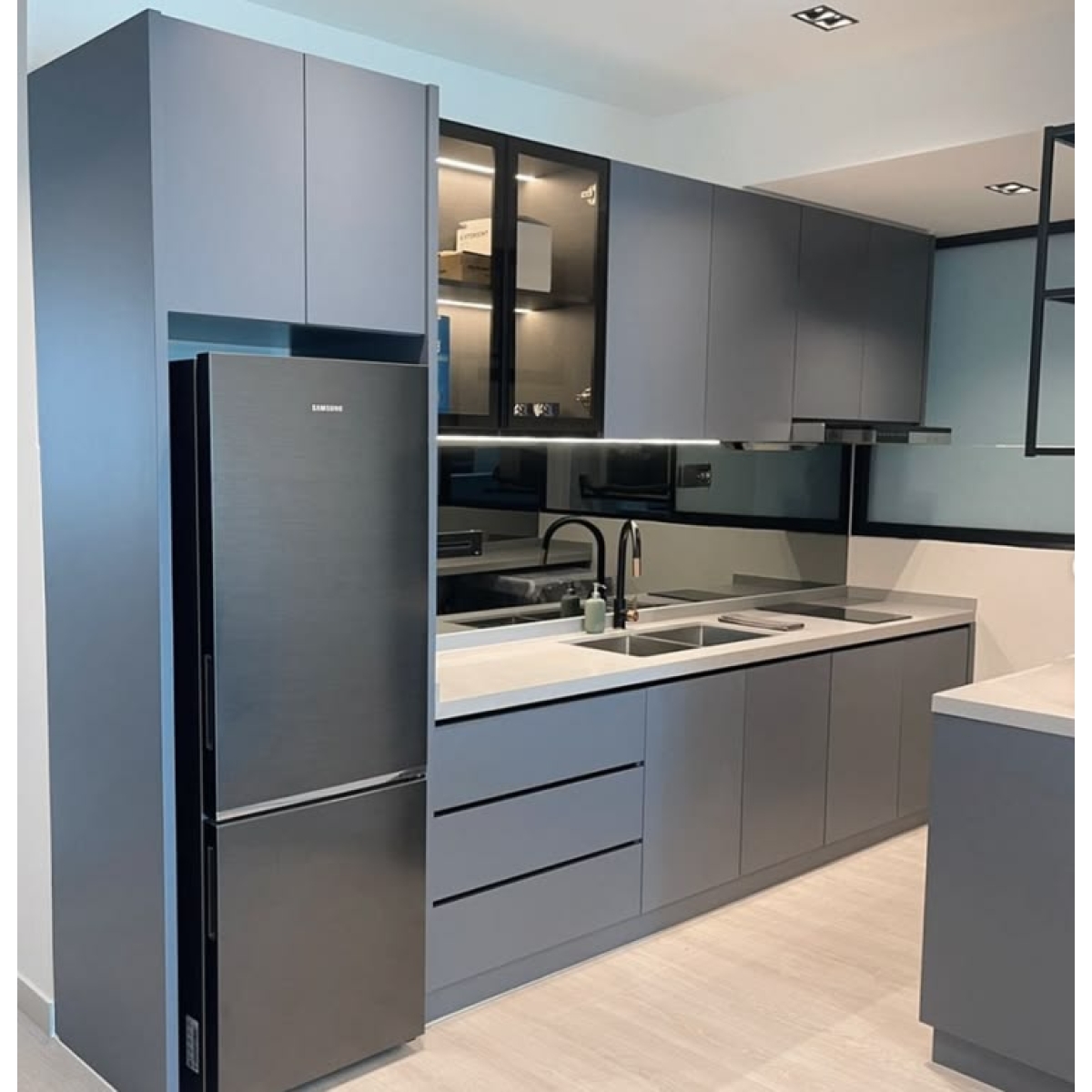
Optimising kitchen storage requires a smart layout, high-quality joinery, and practical planning. Among the most underutilised spaces in modern Australian kitchens is the void directly above the refrigerator. Installing a robust, precisely measured 800mm over fridge cabinet is an excellent way to reclaim this space, turning an empty alcove into valuable storage for seasonal cookware, small appliances, or bulky pantry items. For homeowners seeking a premium, tailored solution, choosing a high-quality Over Fridge Cabinet Perth specialist ensures that the unit integrates seamlessly with existing cabinetry, handles the weight loads, and provides adequate ventilation for your appliance.
An 800mm over fridge cabinet refers specifically to the external width of the cabinet carcass. This width is a highly sought-after dimension in modern kitchen designs because it aligns beautifully with standard mid-sized to large refrigerators. To achieve a flawless finish, you must understand the interaction between the cabinet dimensions, the fridge size, and the surrounding plasterwork or pantry panels.
Most modern single-door and slim French-door refrigerators range from 700mm to 790mm in width. An 800mm cabinet provides the ideal overhead alignment, leaving just enough clearance on either side for the fridge to slide in and out without scraping the surrounding panels. If your fridge is narrower, say 700mm, the extra space can be balanced with symmetrical shadow lines or filler pieces, or left open to ensure superior heat dissipation.
Standard overhead wall cabinets are typically 300mm to 350mm deep, but an over fridge cabinet is different. To make the unit functional and aesthetically flush, it is often designed at a full depth of 600mm. A deep cabinet ensures you do not have to stretch awkwardly over the front of the refrigerator to reach stored items. It aligns the cabinet face with the adjacent tall pantry or utility cupboards, creating a continuous, built-in architectural look.
The height of the cabinet depends on your ceiling height and the physical height of your refrigerator. Standard heights range from 360mm to 600mm. It is critical to leave a ventilation gap of at least 50mm between the top of the fridge and the underside of the cabinet carcass. This gap prevents heat build-up, which can cause the refrigerator compressor to work overtime, increasing electricity consumption and shortening the lifespan of the appliance.
Historically, many kitchens left the space above the fridge completely empty, or used basic open shelving that quickly accumulated grease, dust, and clutter. Reclaiming this overhead space is one of the easiest ways to improve your kitchen’s storage capacity without changing the overall footprint of the room.
Because an over fridge cabinet is suspended high on the wall and holds bulky items, its construction must be exceptionally robust. A sagging cabinet not only looks unsightly but can also pose a serious safety risk to your household or damage the refrigerator below.
For the cabinet carcass (the box structure), premium Australian cabinet makers use 16mm or 18mm Highly Moisture-Resistant (HMR) particleboard or MDF. Kitchens are humid environments, and refrigerators generate warm air currents. HMR materials ensure that the cabinet will not swell, warp, or delaminate over time when exposed to these fluctuating microclimates.
Cheap flat-pack cabinets often cut corners by using thin, 3mm hardboard backs. For a high-load overhead cabinet, a solid 16mm backing board is highly recommended. A solid back allows the cabinet maker to screw the unit directly into the wall studs at multiple points, providing the shear strength needed to support heavy glass bowls, cookbooks, or small appliances.
The exposed edges of the carcass must be sealed to prevent moisture ingress. Look for cabinets finished with 1mm or 2mm ABS edgebanding. Unlike thin paper edgebandings, ABS is a durable thermoplastic that resists impacts from step-stools, vacuum cleaner pipes, or tall bottles, ensuring the cabinet edges remain clean and unchipped for decades.
Many homeowners overlook the thermal requirements of their appliances when designing overhead storage. Refrigerators are heat exchangers; they extract heat from the interior compartment and exhaust it through coils located at the back or sides of the unit. Without proper airflow, this heat accumulates, creating a warm pocket directly under your over-fridge cabinet.
To ensure your refrigerator runs efficiently, your cabinet layout must incorporate specific ventilation paths. If the cabinet is flush with a deep pantry panel on one side and a wall on the other, you must maintain a clear air chimney at the back. A gap of 50mm to 100mm behind the fridge allows warm air to rise freely up towards the ceiling. Some high-end designs feature a subtle recessed ventilation grille cut into the kickboard below and the bulkhead above to encourage natural convection currents.
The cabinet doors are the most visible element of your over fridge unit. Depending on your kitchen style—whether it is a relaxed Hamptons retreat in Cottesloe, a sleek minimalist apartment in the Perth CBD, or a warm mid-century home in Fremantle—the right door style will tie the room together.
Classic side-hinged doors are a reliable and cost-effective choice. They work beautifully in traditional, transitional, or country-style kitchens. When using standard doors on a wide 800mm cabinet, it is best to use a double-door configuration (two 400mm doors) rather than a single wide door. This reduces the door sweep, meaning you do not have to step back as far when opening the cabinet.
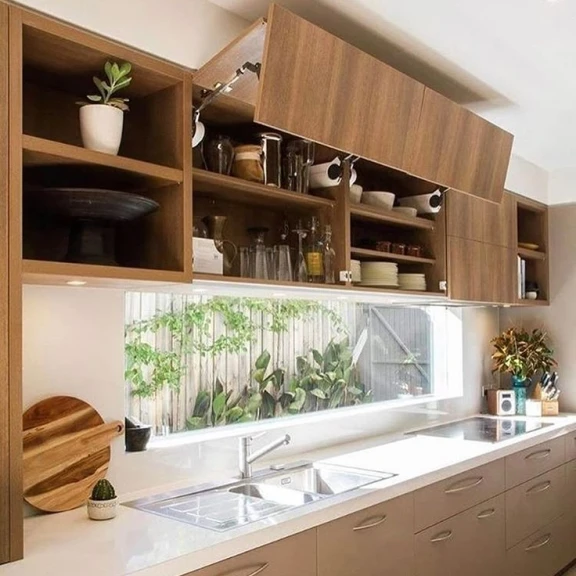
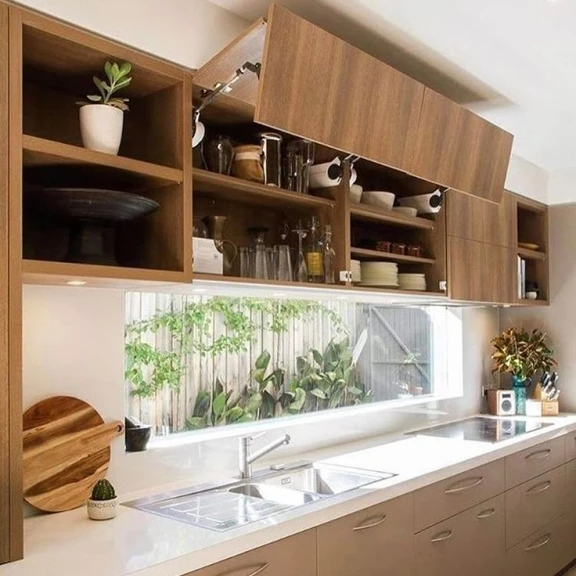
For modern, ergonomic kitchen storage, overhead lift-up door systems are highly desirable. Utilizing premium hardware like Blum Aventos, the doors lift vertically and fold out of your way. This design gives you full, unobstructed access to the entire 800mm width of the cabinet without any doors swinging into your face. Lift-up doors can also be left open while you organize or unpack groceries without creating a head-height obstacle in the kitchen walkway.
To keep the lines of your kitchen clean and uncluttered, consider handleless doors. These can be achieved using a finger-pull profile (where the door hangs slightly lower than the cabinet carcass, allowing you to grip the bottom edge) or a mechanical push-to-open latch. Push-to-open systems are incredibly satisfying and prevent the visual clutter of handles high up on the wall, maintaining a seamless, panelled look across your overhead run.
At 600mm deep, an over fridge cabinet can easily become a dark void where items get pushed to the back and forgotten. To truly master kitchen storage, the interior layout of your 800mm cabinet should be carefully planned with specialized hardware and organizers.
Storing baking sheets, muffin tins, cutting boards, and large serving platters horizontally leads to messy stacks that are frustrating to navigate. By installing vertical partitions inside your over fridge cabinet, you can store these items upright. This allows you to slide out a single baking sheet or chopping board easily without disturbing the rest of the contents, utilizing the full height and depth of the cabinet space.
For shorter individuals or kitchens with exceptionally high ceilings, reaching the back of an over-fridge cabinet can be a challenge. Pull-down storage baskets resolve this issue entirely. With a gentle pull on an ergonomic handle, the entire wire basket mechanism swings down and out of the cabinet, bringing the contents down to eye level. Once you have retrieved what you need, the gas-strut-assisted mechanism glides smoothly back up into place.
While drawers are usually reserved for base cabinets, shallow internal roll-out trays can be incredibly effective in deep overhead spaces. Opening the cabinet doors reveals a drawer slide that pulls out, giving you a top-down view of all stored items. This prevents jars, dry goods, or small tools from getting lost in the dark back corners of a 600mm-deep shelf.
Installing an overhead cabinet directly above a heavy appliance requires precision, patience, and the right tools. If you are planning a DIY installation or working with an installer, here are the key steps to ensure a flawless finish.
When investing in custom kitchen cabinet interiors, think about your long-term appliance plans. While you might currently own a modest 700mm-wide refrigerator, you may decide to upgrade to a wider, French-door smart fridge in a few years. If your overhead cabinet is built tightly around your current small fridge, a future upgrade could require expensive cabinet modifications.
A smart design strategy is to build the cabinet opening to a generous standard size—such as 850mm or 900mm wide—and use removable filler panels (or scribes) to frame your current 700mm or 800mm fridge. If you ever upgrade to a larger model, the filler panels can be easily unscrewed or shaved down by a cabinet maker, accommodating the new appliance without requiring you to tear down or replace the entire overhead cabinet structure.
Perth homes have unique architectural characteristics, from the high plaster-on-brick ceilings of classic homes in Subiaco to the clean, modern steel-framed constructions in new coastal developments. Standard imported flat-pack cabinets often struggle to accommodate the slight structural variations, uneven floors, and out-of-plumb walls frequently found in real-world homes.
Opting for custom-made local cabinetry guarantees that your over fridge storage is built to handle the local climate. Western Australia experiences intense summer heat and high coastal humidity, making moisture-resistant materials and precise installation standards essential. Local production also means you receive personalized service, shorter lead times, and the peace of mind that your cabinetry is backed by a local warranty.
For those looking to transform their kitchen with premium cabinetry, Elite Cabinetry delivers tailored, high-performance storage solutions. Specializing in bespoke kitchen cabinet interiors, Elite Cabinetry designs, manufactures, and installs custom solutions that elevate both the utility and visual appeal of your home. Whether you need a perfectly proportioned over-fridge unit, a complete kitchen redesign, or smart storage integration, their team of experienced designers and craftspeople brings precision and style to every project across Western Australia.
Get in touch with the local experts to discuss your next home improvement project:
Elite Cabinetry
Address: 7 Castlemore Mews, Ballajura WA 6066, Australia
Hotline: 0061416988655
Phone: 0061416988655
Email: sales@elitecabinetry.com.au
Website: https://elitecabinetry.com.au/