
Free Shipping & Free Return













Upper Kitchen Cabinet
SKU: 1000mm OFWC
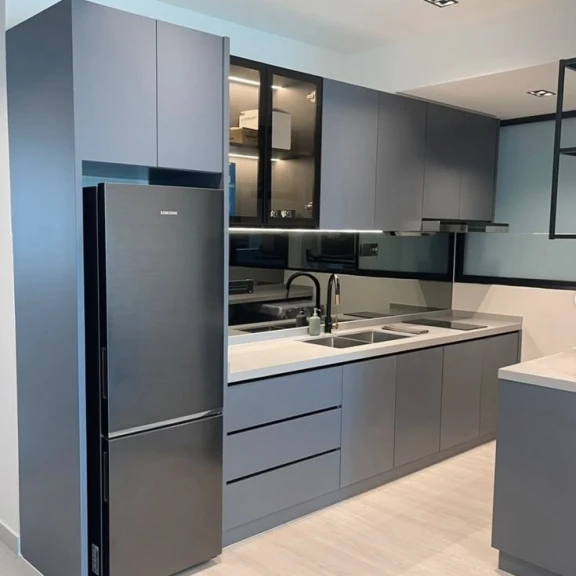
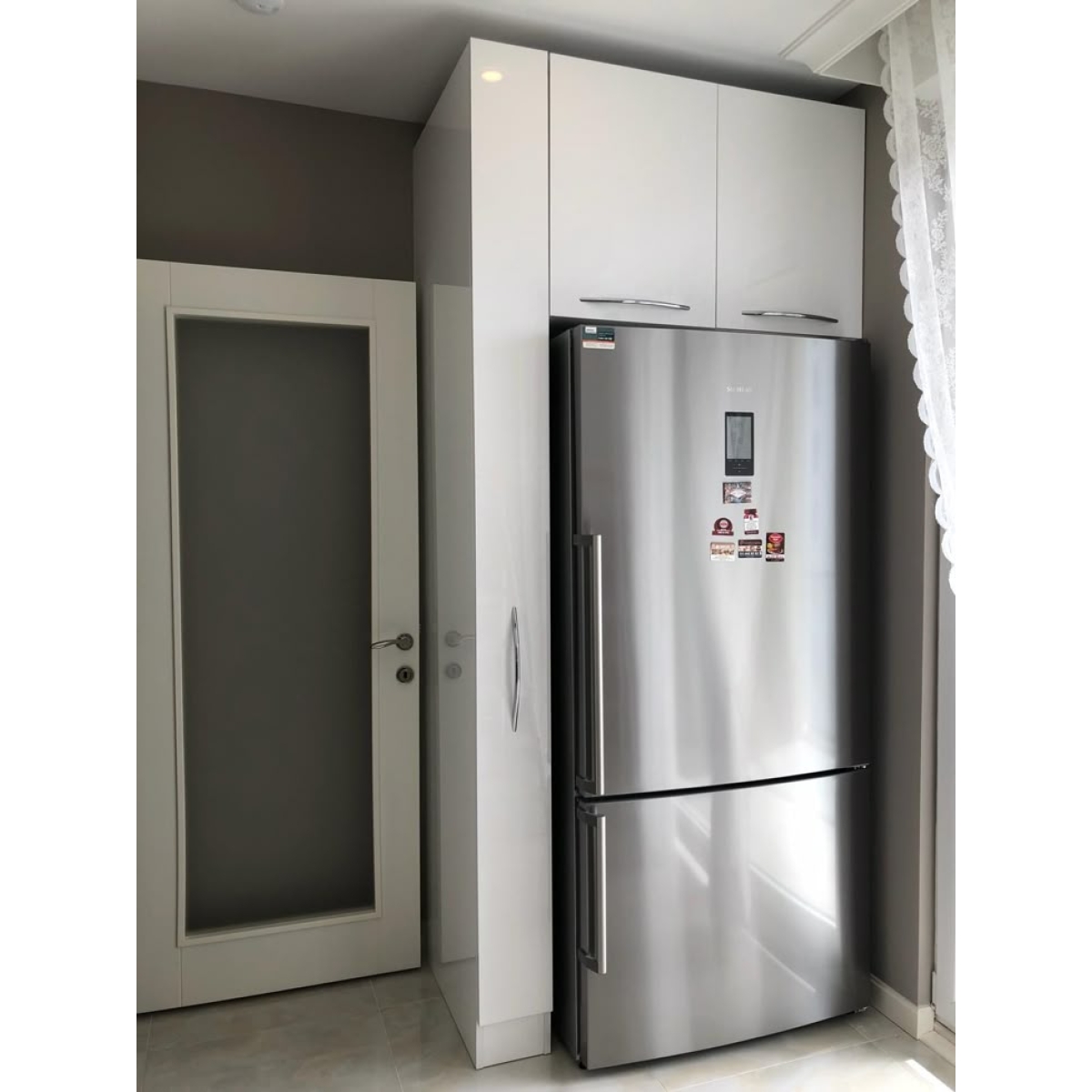
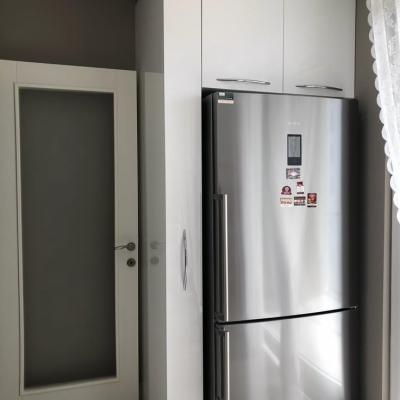
Optimising kitchen storage requires a strategic approach to spatial planning, particularly when dealing with the awkward, often underutilised void directly above the refrigerator. Homeowners and designers seeking to maximise vertical space in Western Australia are increasingly turning to a tailored 1000mm Over Fridge Cabinet Perth solution to bridge the gap between high-capacity refrigeration and seamless, built-in kitchen joinery. This specific cabinet width is engineered to accommodate modern, wide-format French door and side-by-side refrigerators, offering a sleek overhead storage zone that transforms an architectural dead zone into a highly functional asset.
The area above a refrigerator is notoriously difficult to design. Without a dedicated cabinet, this space becomes a magnet for dust, cooking grease, and clutter, detracting from the visual harmony of a modern kitchen. A 1000mm wide overhead unit addresses this issue directly, providing a clean, flush finish that aligns with the wider footprints of modern refrigeration units.
Standard overhead kitchen cabinets are typically shallow, averaging around 300mm to 350mm in depth. However, a premium 1000mm over-fridge unit is designed with a deeper carcass—usually matching the 600mm to 650mm depth of adjacent pantry towers or fridge surround panels. This extra depth not only creates a cohesive visual line across the top of your kitchen but also provides deep, high-volume storage suitable for items that are used infrequently.
When designing a contemporary kitchen layout, a well-engineered Over Fridge Cabinet serves as the ultimate bridge between aesthetics and raw utility. By bringing the cabinet doors forward so they sit flush with the front of the refrigerator carcass, you eliminate the awkward recessed look. This design choice creates a unified, built-in appearance that instantly elevates the perceived value of your home joinery.
To appreciate why a 1000mm width is the sweet spot for modern kitchens, it is helpful to look at current appliance trends. Refrigerators have grown significantly over the last decade. Standard family-sized French door fridges from brands like Samsung, LG, Westinghouse, and Fisher & Paykel frequently range from 890mm to 912mm in width.
A 1000mm cabinet carcass provides the ideal structural envelope for these appliances. It allows for critical ventilation gaps on either side while ensuring the overhead cabinetry does not look awkwardly pinched or disproportionately wider than the appliance below. Let us break down the ideal dimensional matrix for this cabinet configuration:
One of the most common mistakes made in DIY kitchen installations and sub-par custom joinery is neglecting the thermal requirements of the refrigerator. Refrigerators operate by extracting heat from their interior compartments and expelling it into the surrounding room. This heat dissipation occurs primarily through the rear condenser coils and side walls of the appliance.
If you encase a refrigerator too tightly with overhead cabinets and side panels without adequate clearance, the trapped heat will force the compressor to run continuously. This increases household energy consumption, shortens the lifespan of the appliance, and can void the manufacturer's warranty.
When installing a 1000mm overhead cabinet, you must plan for a thermal chimney effect. This involves:
Because the storage zone above a refrigerator sits high up (typically starting at 1.8 metres or higher from the finished floor level), traditional side-hinged doors can sometimes be awkward to operate. When you stand in front of the fridge, opening a large, wide door outward requires you to step back to clear the swing arc of the door.
To resolve this ergonomic challenge, premium kitchen cabinet designs utilize advanced mechanical hardware. The following hardware configurations are highly recommended for a 1000mm overhead unit:
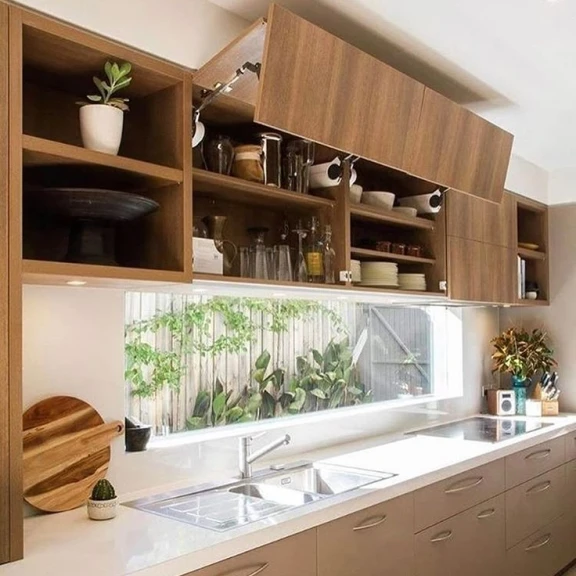
Modern lift systems, such as the Blum Aventos series, are the gold standard for over-fridge applications. Instead of swinging outward horizontally, the cabinet door lifts vertically or folds upwards in a smooth, fluid motion. This keeps the door completely out of your workspace while you are accessing the cabinet, allowing you to leave it open while sorting through items without any risk of bumping your head.
For a cost-effective alternative to premium lift systems, heavy-duty gas struts can be installed. These struts assist in lifting the door upward and holding it in place securely. It is critical to select the correct Newton (N) rating for the gas struts based on the weight of your cabinet door panel (typically 18mm MR MDF) to ensure the door opens smoothly without springing up too aggressively.
To achieve a clean, minimalist aesthetic, many Perth homeowners opt for handleless overhead cabinetry. High-quality push-to-open mechanical latches (or magnetic tip-on systems) allow you to open the cabinet with a gentle press on the bottom edge of the door. This eliminates the need for physical handles, creating a flush, uninterrupted timber or polyurethane facade that blends seamlessly into the kitchen walls.
Perth homes experience a wide range of climatic shifts, from hot, dry summers to cool, damp winters. Furthermore, the kitchen is a high-humidity environment characterized by steam from cooking, boiling water, and dishwashers. Selecting the right materials for your 1000mm cabinet carcass and door fronts is essential to prevent warping, swelling, and delamination over time.
The internal carcass of the cabinet should always be constructed from 16mm High Moisture Resistant (HMR) particleboard or melamine-faced MDF. Standard particleboard will absorb airborne moisture and steam, leading to structural degradation and swelling at the joints. HMR boards are formulated with special water-resistant resins that ensure the cabinet remains structurally sound and square for decades.
The edges of the carcass panels must be sealed with high-quality ABS (Acrylonitrile Butadiene Styrene) edge banding, applied using hot-melt PUR (Polyurethane) adhesives. PUR adhesive is highly resistant to heat and water, preventing steam from cooking appliances or the heat generated by the refrigerator from compromising the edge seals.
For the exterior door faces, you have several high-performance options that can be tailored to match your overall kitchen design:
A 1000mm wide by 600mm deep cabinet offers a massive volume of raw storage space, but without proper internal organisation, it can easily become a chaotic "black hole" where items are lost or forgotten. To make this space highly functional, consider the following internal configurations:
Storing flat, awkward items horizontally on a shelf makes them difficult to extract. Installing vertical dividers inside your over-fridge cabinet turns it into the perfect storage hub for baking trays, cutting boards, serving platters, and cooling racks. You can easily slide out the specific tray you need without having to lift a heavy stack of items.
For shorter family members or kitchens with exceptionally high ceilings, a pull-down shelf mechanism is a life-changing addition. These mechanical inserts use a counterbalanced spring system to let you pull the entire shelf contents down to eye level, allowing easy access before smoothly gliding the shelf back up into the cabinet carcass.
Using clear, heavy-duty plastic storage bins allows you to group items by category (e.g., holiday baking supplies, seasonal table linens, or infrequently used small appliances). When you need something, you can simply pull down the entire bin rather than rummaging through loose items at height.
Installing a heavy, deep 1000mm cabinet over a refrigerator requires precision and a clear understanding of load-bearing structures. Unlike shallow standard overheads, a 600mm deep cabinet can hold a significant amount of weight and exerts a high leverage force on its wall anchor points.
If you are planning to install this unit yourself or want to understand the process your trade professional will follow, here are the critical steps for a safe, flush, and secure installation:
You must never rely solely on plasterboard anchors to support an overhead kitchen cabinet. Use a high-quality stud finder to locate the timber or steel studs behind the drywall. Mark the centre of each stud clearly. In older Perth homes constructed with double-brick internal walls, you will need to use heavy-duty wall plugs (such as Ramset or Fischer plugs) and masonry anchors.
To assist with the installation process and provide long-term load distribution, screw a temporary timber support cleat to the wall, perfectly level with the planned bottom edge of the cabinet. This allows you to rest the heavy carcass on the cleat while you align and secure the permanent fixing screws through the solid back-rail of the cabinet.
For a true built-in look, a 1000mm over-fridge cabinet should be flanked by tall end panels (gables) that run from the floor to the top of the cabinetry. Once the cabinet is hung and leveled, screw it through the internal side walls into these vertical gables using cabinet connector screws. This ties the entire structure together, creating a rigid, load-sharing box assembly.
Before finalizing the positioning, double-check the height of your current refrigerator and add a buffer of at least 30mm to 50mm. This ensures that if you upgrade your refrigerator in the future to a slightly taller model, you will not be forced to tear out or modify your expensive custom cabinetry.
The versatility of a 1000mm cabinet means it can be adapted to suit any architectural style, from classic heritage homes in Fremantle to sleek, minimalist apartments in East Perth.
In a minimalist kitchen, the goal is to create flat, uninterrupted planes. Pair your over-fridge cabinet with handleless, push-to-open doors that align perfectly with adjacent high-gloss or matte cabinetry. Run the cabinet doors all the way to a shadow line or a recessed bulkhead to create a floor-to-ceiling wall-of-storage effect.
For a Hampton-style or traditional kitchen, opt for doors with a recessed centre panel (Shaker profile). To add visual interest, you can replace solid timber or polyurethane panels with clear or frosted glass inserts, backed by warm, low-voltage LED strip lighting. This transforms the overhead space into a beautiful display cabinet for fine china or decorative glassware.
If your kitchen features exposed brick, concrete, or steel elements, consider using a dark charcoal, black, or timber-grain laminate for your over-fridge cabinetry. Match the unit with matte black pull handles or industrial-style hardware to complement the raw, architectural textures of the space.
Because the overhead cabinet sits directly above a heat-generating appliance and close to the ceiling where steam and grease naturally accumulate, it requires specific care to maintain its pristine appearance and structural integrity over time.
Cooking oils vaporise and rise with steam, settling on the upper surfaces of kitchen cabinetry. Over time, this dust and grease mixture can cure into a sticky, stubborn film that is difficult to remove without damaging the paint or laminate finish. Wipe down the exterior of your cabinet doors once a month with a soft microfibre cloth dampened with warm, soapy water. Avoid using abrasive scouring pads or harsh chemical solvents.
Occasionally feel the inside base panel of your over-fridge cabinet. If the wood feels hot to the touch, it indicates that your refrigerator does not have sufficient ventilation clearance. In such cases, you may need to increase the gap behind the fridge or install a small ventilation grille in the top fascia panel to allow heat to escape more efficiently.
While HMR carcasses are exceptionally strong, it is best practice to store the heaviest items (such as cast-iron Dutch ovens, heavy food processors, or bulk dry goods) in your lower drawers or pantry shelves. Reserve the high over-fridge cabinet for bulky but relatively lightweight items, such as seasonal serving bowls, plastic storage containers, baking pans, or paper goods.
While off-the-shelf flatpack cabinets are widely available, they often fall short when it comes to the highly specific requirements of an over-fridge installation. Off-the-shelf options usually come in standard, shallow depths (typically 300mm), which leaves a massive, awkward gap between the front of the cabinet and the front of your refrigerator.
Opting for a custom or semi-custom 1000mm overhead cabinet offers several distinct advantages:
At Elite Cabinetry, we specialize in designing, manufacturing, and installing high-performance kitchen cabinet interiors tailored to the unique lifestyle and climatic demands of Western Australia. Based in Ballajura, our state-of-the-art workshop produces bespoke storage solutions designed to elevate your kitchen's aesthetics and utility.
Whether you are undertaking a complete kitchen renovation or seeking to optimize your existing layout with a custom 1000mm overhead cabinet, our experienced design team is here to help. We combine premium materials, German-engineered soft-close hardware, and local craftsmanship to deliver joinery that stands the test of time.
To discuss your kitchen storage needs or to arrange an obligation-free design consultation, contact our friendly team today:
Elite Cabinetry
Address: 7 Castlemore Mews, Ballajura WA 6066, Australia
Hotline: 0061416988655
Phone: 0061416988655
Email: sales@elitecabinetry.com.au
Website: https://elitecabinetry.com.au/