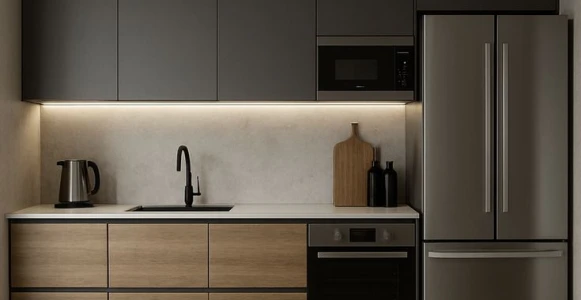
Industrial Luxury Kitchen, the industrial luxury kitchen represents a masterful synthesis of contrasting design worlds, where the rugged authenticity of raw urban spaces meets the uncompromising refinement of high-end materials. This aesthetic does not merely borrow elements from old factories; it elevates them through meticulous craftsmanship, sophisticated textures, and state-of-the-art culinary technology. At the heart of this design philosophy is the seamless integration of premium bespoke woodwork, architectural metals, and ultra-functional layout designs. When conceptualizing an industrial luxury culinary space, the absolute core of this aesthetic lies in custom kitchen cabinets that balance structural brawn with elegant artisanship, transforming the kitchen from a utilitarian workspace into a striking architectural statement.
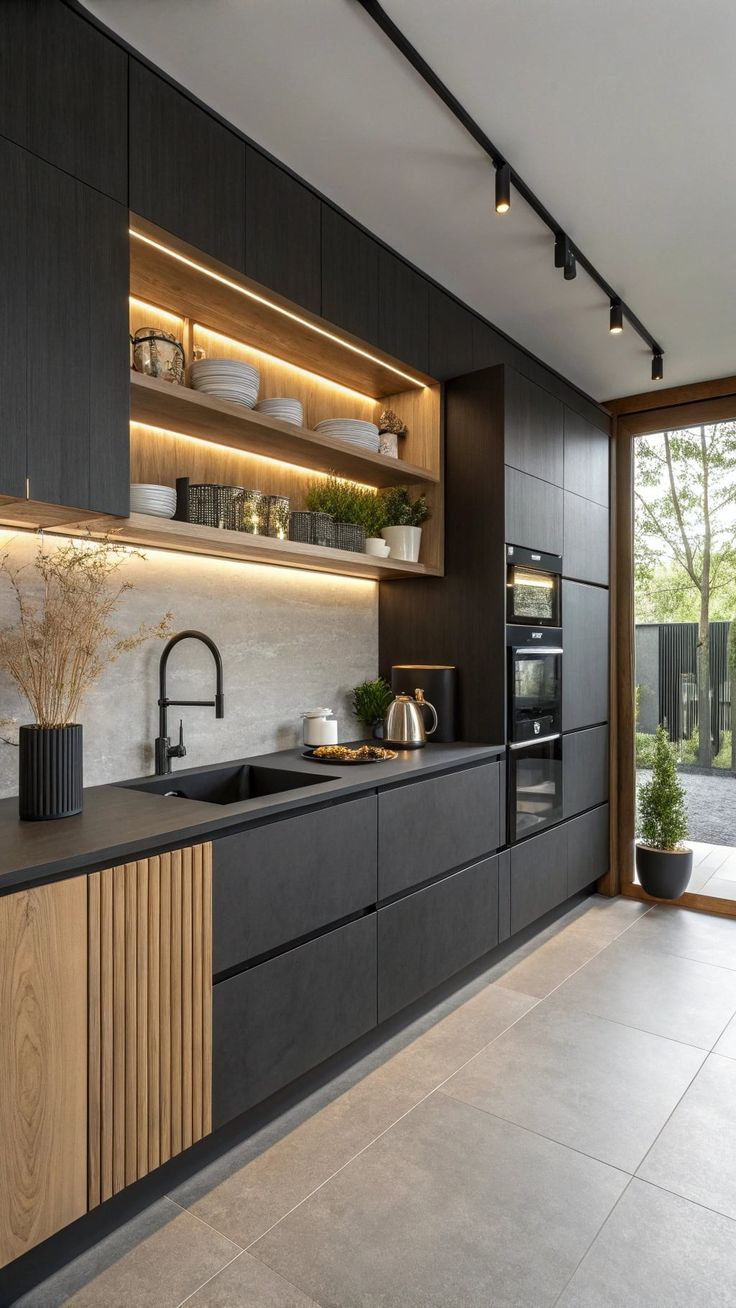
The Essence of Industrial Luxury: Where Raw Meets Refined
Historically, industrial design emerged from the practical repurposing of abandoned warehouses, factories, and industrial lofts. These spaces were characterized by exposed brick walls, raw concrete floors, structural steel columns, and soaring ceilings. While early iterations of the style leaned heavily into a gritty, almost spartan minimalism, the modern luxury interpretation infuses these rough-hewn elements with high-end, tactile finishes, sophisticated color palettes, and advanced ergonomic features.
To achieve a true industrial luxury aesthetic, designers rely on the concept of tension and balance. For every cold, rigid surface like polished concrete or blackened steel, there must be a warm, organic counterpart such as rich walnut cabinetry, soft aniline leather barstools, or deeply veined natural quartzite countertops. The goal is to create a space that feels curated, lived-in, and exceptionally comfortable, without losing the bold, structural character that defines the industrial genre.
This balance is achieved by focusing on several core design pillars:
- Architectural Scale: Maximizing vertical space with tall cabinetry, exposed ductwork, and structural beams that emphasize the room's height.
- Material Contrast: Pairing matte, tactile surfaces (like brushed metals and sandblasted oak) with highly polished or textured natural stones.
- Crafted Details: Replacing mass-produced components with bespoke metalwork, custom-milled cabinetry doors, and hand-finished patinas.
- Discreet Technology: Integrating top-tier appliances behind custom panels or within sleek niches so that technology serves the kitchen without dominating its raw visual narrative.
The Anatomy of an Industrial Luxury Kitchen Cabinet
Cabinetry is the single most influential element in defining the kitchen's spatial identity. In an industrial luxury setting, cabinets are treated as structural furniture rather than mere storage boxes. They require a rigorous selection of materials, specialized manufacturing techniques, and finishes that develop character over time.
Premium Timber and Veneers
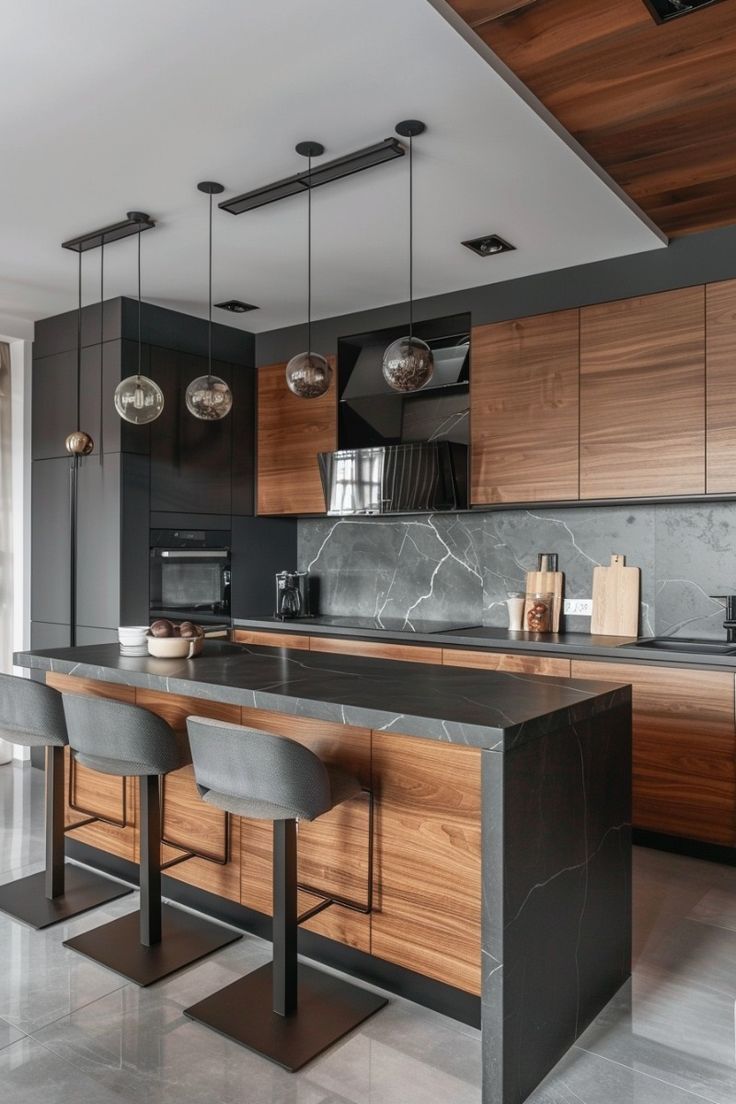
While metal is a staple of industrial design, a luxury kitchen relies on premium wood species to provide the necessary warmth and organic depth. Oak and walnut are the preferred choices for high-end cabinetry, often prepared in specific cuts to showcase their natural grain patterns:
- Rift-Sawn Oak: Cut perpendicular to the wood’s growth rings, rift-sawn oak offers an exceptionally linear, stable grain pattern. This clean, vertical grain provides a sophisticated backdrop that complements the straight lines of steel framing.
- American Walnut: Renowned for its rich, chocolate-brown tones and complex, sweeping grain patterns, walnut brings an immediate sense of luxury. In an industrial kitchen, walnut is often paired with blackened steel or bronze hardware to create a moody, sophisticated atmosphere.
- Fumed or Smoked Woods: These timbers undergo a chemical process where exposure to ammonia fumes darkens the wood and intensifies its natural figure. The result is a deep, charcoal-toned timber that retains its organic warmth while aligning perfectly with a dark, industrial color palette.
Metallic Framings and Accents
Metalwork is where the industrial heritage of this style truly shines. Rather than relying on standard stainless steel, luxury industrial cabinets utilize custom metal fabrication to create stunning structural frames, door inserts, and open shelving systems:
- Blackened Steel and Gunmetal: These metals are treated with acid patinas or dark powder coatings to create a matte, subtly variegated surface that absorbs light beautifully. They are frequently used for cabinet frames, open island structures, and support brackets.
- Anodized Aluminum: Providing a sleeker, more contemporary industrial edge, anodized aluminum is highly resistant to corrosion and fingerprints. It is ideal for slim-profile door frames, integrated handle tracks, and internal drawer organizing systems.
- Architectural Mesh and Fluted Glass: Cabinet door inserts often feature woven wire mesh in brass or bronze, or textured fluted glass. These materials add visual texture, partially obscuring the cabinet’s contents while allowing interior ambient lighting to glow through.
Advanced Finish Technologies
The finishes applied to industrial luxury cabinetry must be exceptionally durable to withstand the rigors of daily culinary use while maintaining their refined texture. High-end manufacturers utilize advanced coating systems, including:
- Polyurethane and Acrylic Lacquers: These coatings provide a highly durable, non-yellowing finish. In industrial designs, super-matte finishes (often below 5% gloss level) are favored to prevent glare and highlight the natural texture of the wood or metal beneath.
- Natural Oils and Waxes: For those who appreciate the tactile sensation of raw wood, low-VOC natural oils penetrate deep into the timber pores. This finish allows the wood to breathe and age gracefully, developing a unique patina over time.
- Metal-Infused Liquid Coatings: A cutting-edge technique where real metal particles are suspended in a liquid binder and sprayed onto cabinet surfaces, then burnished by hand. This allows cabinetry to look and feel like solid metal while maintaining the lighter weight and structural flexibility of an engineered wood core.
Smart Storage & Cabinet Interiors: The Secret to High-End Functionality
True luxury is as much about how a kitchen performs as how it looks. The interior of an industrial luxury cabinet should be engineered with the same level of detail, precision, and material excellence as its exterior facade. When you open a heavy, dark oak cabinet door, the interior should reveal a beautifully organized, highly functional sanctuary.
Ergonomic Drawer Systems and Dividers
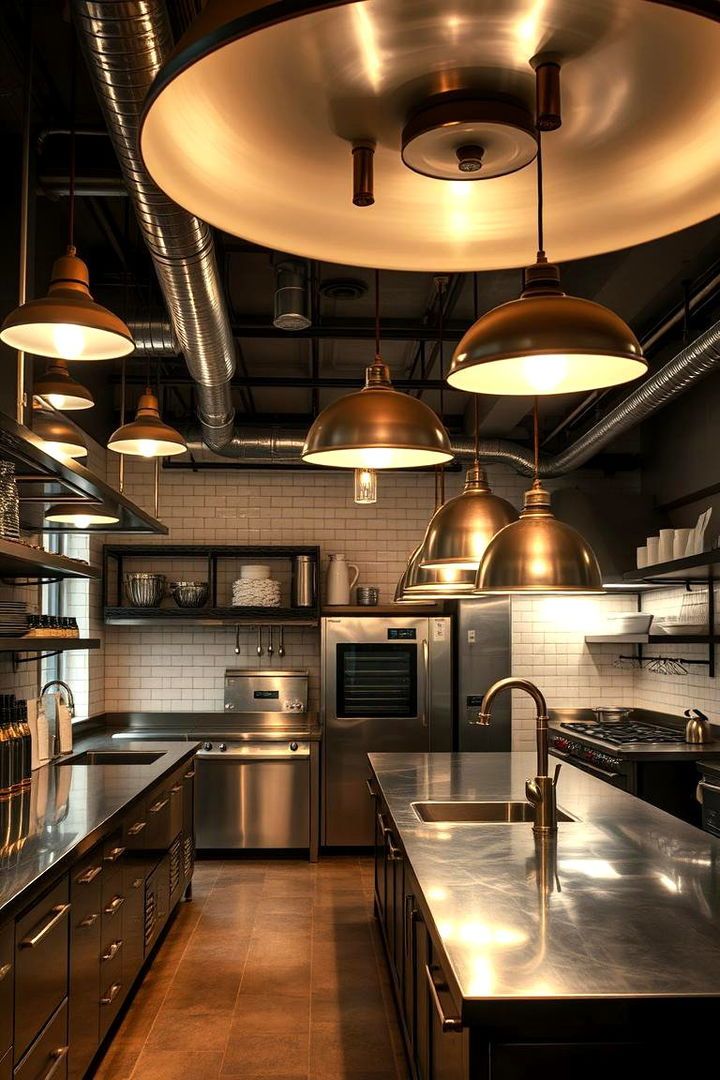
High-end cabinet interiors move away from standard white melamine shelves, opting instead for dark, textured, and luxurious materials like anthracite grey, solid timber, or leather-lined drawer boxes. Premium drawer systems utilize smooth-running, synchronized runner mechanisms with impressive weight capacities (often up to 70kg per drawer) to ensure effortless motion even when fully loaded with heavy cast-iron cookware.
Interior organization is tailored to the homeowner’s specific lifestyle. Custom timber inserts, magnetic partitioning walls, and non-slip felt liners keep culinary tools, spices, and cutlery perfectly arranged. Knife blocks carved from solid walnut, custom spice jars nestled in matching wooden blocks, and dedicated peg systems for securing fine china ensure that nothing shifts or rattles when drawers are operated.
Sophisticated Corner and Larder Solutions
Deep corner cabinets and tall pantries are often prone to wasted space and clutter. In a luxury industrial kitchen, these areas are optimized with precision-engineered pull-out mechanisms. Blind corner pull-outs bring the entire contents of the cabinet out into the open room with a single fluid motion, using robust steel trays finished in matching anthracite or carbon fiber textures.
For larder storage, tall pull-out pantry towers offer panoramic access to dry goods. These systems can be integrated with glass-sided drawers and internal LED strip lighting that automatically illuminates upon opening. The physical effort required to open these large, heavy storage units is mitigated by soft-close damping systems or electronic touch-to-open servo drives, allowing a gentle tap of the hand or knee to glide the entire pantry open quietly.
Integrated Appliance Housing
An industrial luxury kitchen prioritizes clean lines and structural integrity. Standard appliances can disrupt this aesthetic, which is why high-end designs rely heavily on integrated appliance housing. Refrigerators, freezers, and dishwashers are clad in heavy-duty cabinet panels that match the surrounding cabinetry, complete with custom industrial-style pull handles made of knurled brass or blackened iron.
For smaller countertop appliances like espresso machines, blenders, and toaster systems, dedicated "appliance garages" are integrated into the cabinet layout. These units feature pocket doors that slide smoothly back into the cabinet carcass when open, avoiding blocking the adjacent workspace. Inside, these stations are equipped with integrated power outlets, task lighting, and robust pull-out shelves, keeping high-use gadgets close at hand yet completely hidden when not in use.
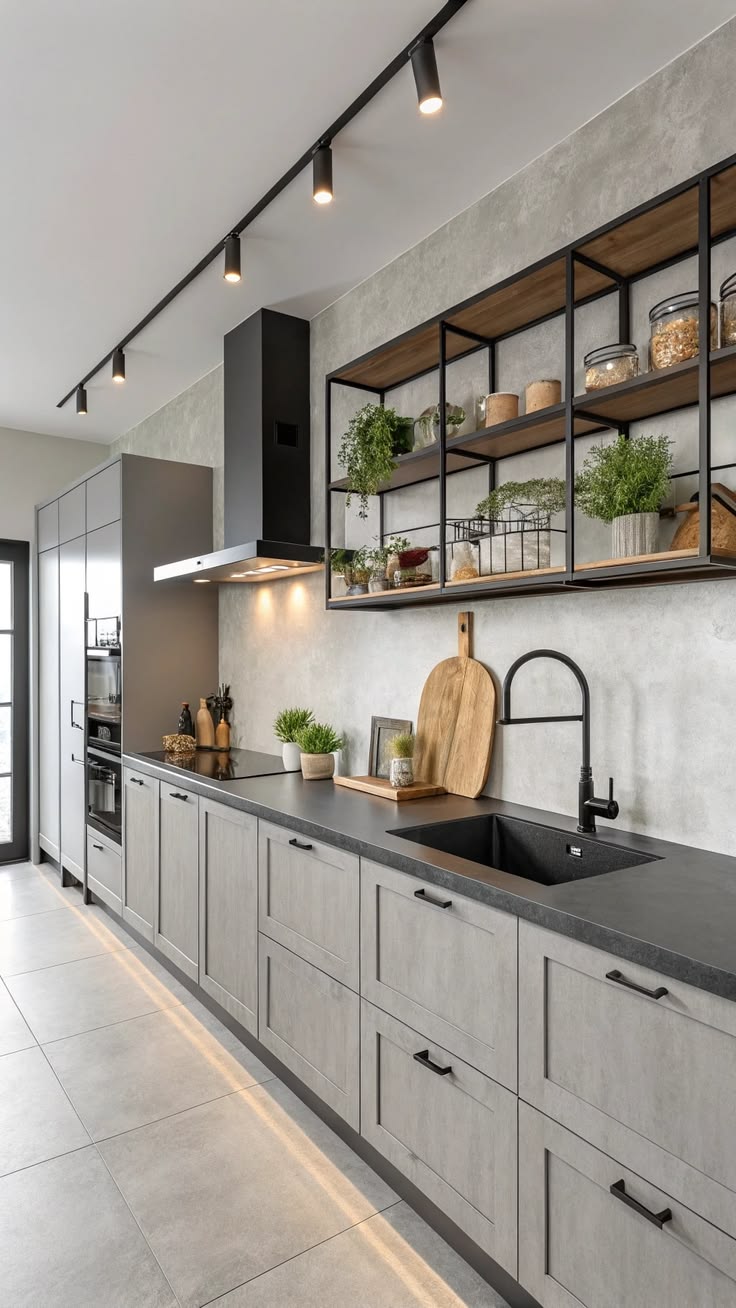
Designing the Layout for Flow and Drama
The layout of an industrial luxury kitchen must facilitate both high-level culinary production and effortless social entertaining. The space should feel expansive and dramatic, yet intuitive to navigate.
The Double-Island Concept
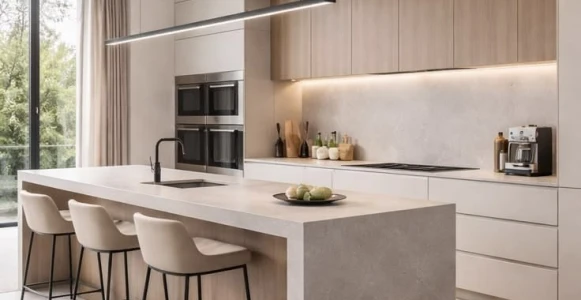
For large-scale industrial kitchens, the single central island is often expanded into a double-island configuration. This layout separates the active culinary preparation zone from the social dining and entertaining zone:
- The Prep Island: Focuses purely on utility. It typically houses a deep under-mount sink with an industrial-style pull-down faucet, integrated waste sorting systems, prep drawers, and a built-in cooktop or cutting station. The materials used here are highly durable, such as brushed stainless steel or thick concrete-slab countertops.
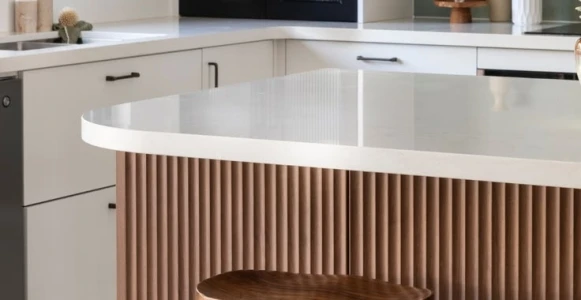
- The Entertaining Island: Designed for socializing and casual dining. It features comfortable bar seating, a built-in wine cooler or beverage station, and a softer, more luxurious countertop surface like a bookmatched marble or quartzite slab. The cabinetry base of this island might showcase beautiful timber grain panels illuminated by low-level plinth lighting.
Floor-to-Ceiling Cabinetry Walls
To emphasize the verticality of an industrial loft or high-ceilinged home, designers often implement a solid wall of floor-to-ceiling cabinetry. This "run" of cabinetry acts as an architectural anchor for the room, housing integrated refrigeration, double ovens, and extensive pantry storage.
To prevent such a large mass of cabinetry from feeling overwhelming, designers break up the visual weight using several architectural techniques:
- Symmetrical Niches: Carving out open, lit niches within the cabinet wall, lined with contrasting materials like natural stone or metallic sheets, to display decorative objects or high-end kitchenware.
- Aesthetic Variations: Alternating solid cabinet doors with tall, slim frames of fluted glass and black steel, showcasing beautifully lit interiors.
- Integrated Rolling Ladders: Installing a custom metal rolling ladder along a track mounted high on the cabinetry. This practical addition provides easy access to the highest storage compartments while serving as a classic industrial design feature.
Material Palette & Color Schemes for the Modern Industrial Luxury Aesthetic
The color palette of an industrial luxury kitchen is typically grounded in deep, rich, and moody tones, accented by natural textures and warm metallic highlights. It avoids flat, solid colors in favor of materials that possess inherent depth and texture.
Below is a guide to composing a balanced, high-end industrial color and material palette:
| Component | Primary Material Options | Aesthetic Effect |
|---|---|---|
| Base Cabinetry | Smoked Oak, Dark American Walnut, Blackened Steel Panels | Provides a grounded, solid foundation with rich texture and organic warmth. |
| Wall & Tall Cabinets | Matte Charcoal Lacquer, Fluted Glass, Patinated Bronze Frames | Adds vertical drama, softens the visual mass, and allows soft light filtration. |
| Countertops | Super-White Quartzite, Polished Concrete, Brushed Stainless Steel | Delivers durable work surfaces with striking natural veining or sleek utility. |
| Splashbacks | Slab Stone, Exposed Brick (sealed), Antiqued Mirror Panels | Creates a stunning focal point; mirrors bounce light around dark spaces. |
| Hardware & Details | Knurled Brass, Matte Black Iron, Gunmetal Grey | Provides tactile contrast, acting as jewelry for the cabinetry. |
When selecting a color scheme, it is important to consider the natural light entering the space. Dark, dramatic palettes work beautifully in open-plan areas with large, industrial-style steel sash windows. For spaces with limited natural light, designers use lighter concrete tones, pale rift-sawn oak, and reflective metallic accents to maintain a spacious, airy feel while preserving the industrial character.
Lighting: Illuminating Textures and Metallic Sheens
Lighting is a critical element in any luxury interior, but it is especially vital in an industrial luxury kitchen where dark finishes and highly textured surfaces are prominent. A successful lighting scheme uses layers to highlight architectural features, facilitate safe food preparation, and establish a warm, inviting ambiance.
Task Lighting: Precision and Utility
Task lighting must be positioned carefully to eliminate shadows on work surfaces, sinks, and cooktops. In an industrial luxury kitchen, this is achieved through a combination of industrial-style fixtures and integrated architectural LEDs:
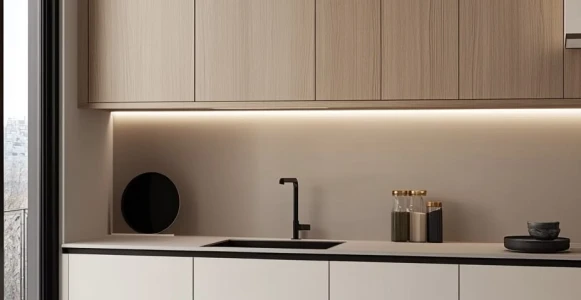
- Under-Cabinet LED Strips: High-CRI (Color Rendering Index) LED strips are recessed flush into the underside of wall cabinets. These lights cast an even, bright glow onto countertops without exposing the light source itself, preventing glare on reflective stone or metal surfaces.
- Directional Spotlights and Track Lighting: Mounted on black-finished metal tracks run along the ceiling beams, these adjustable spotlights can be directed precisely where needed. This setup pays homage to theatrical and commercial kitchen layouts while providing excellent flexibility.
Ambient and Accent Lighting: Creating Atmosphere
While task lighting handles the work, ambient and accent lighting establish the mood. This is where the "luxury" aspect of the kitchen is truly elevated:
- Internal Cabinet Illumination: Glass-fronted cabinets and display niches are outfitted with vertical or horizontal LED channels. When illuminated, these lights cast a soft glow through wire mesh or fluted glass, transforming storage units into beautiful light features.
- Plinth and Floating Cabinet Lighting: Installing LED strips beneath the base cabinet plinths or under-island overhangs creates a "floating" effect. This visually lightens heavy timber or concrete structures, adding a layer of contemporary sophistication.
- Statement Pendant Lights: Over islands or dining tables, large-scale pendant lights serve as visual anchors. Designers often choose hand-blown glass spheres with exposed vintage filaments, reclaimed industrial dome lights with aged copper interiors, or architectural linear brass fixtures that span the length of the island.
Maintaining the Beauty of Your High-End Industrial Kitchen
An industrial luxury kitchen is designed to be lived in, cooked in, and enjoyed. However, because it utilizes high-end, authentic materials, it requires specific care and maintenance to ensure it retains its beauty and functionality for decades.
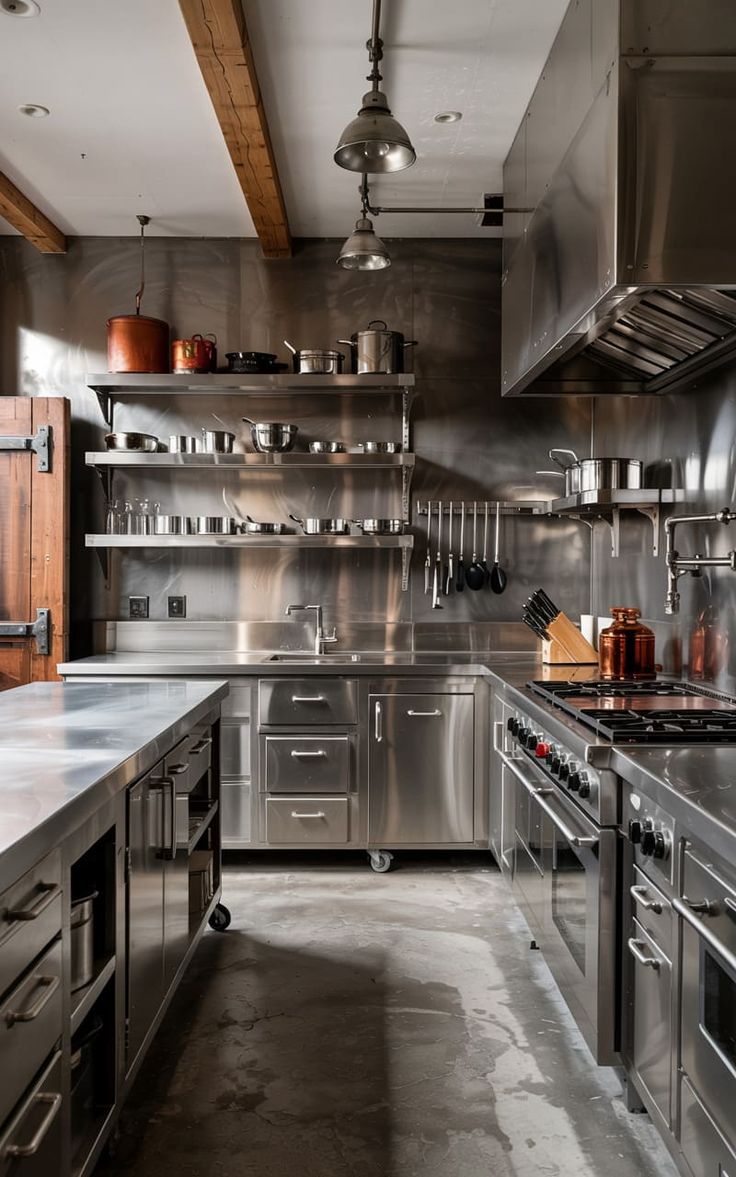
Caring for Fine Cabinetry Woodwork
To preserve the rich texture and color of timber veneers and solid wood cabinets:
- Dust Regularly: Use a soft, dry microfiber cloth to remove dust and micro-particles that can scratch the finish over time.
- Clean Gently: Avoid harsh chemical cleaners, abrasive pads, or ammonia-based sprays. Instead, use a damp cloth with a mild, pH-neutral soap solution, drying the surface immediately with a clean, soft cloth.
- Control Moisture and Humidity: Wood is a natural material that responds to environmental changes. Ensure the kitchen is well-ventilated, and maintain a consistent indoor humidity level (ideally between 40% and 60%) to prevent timber doors from warping or cracking.
Preserving Metal Finishes and Hardware
Architectural metals add incredible character, but they require appropriate care based on their finish:
- Powder-Coated and Anodized Metals: Wipe down with a soft, damp cloth and mild soap. Avoid abrasive materials that can scratch the smooth protective coatings.
- Living Finishes (Unlacquered Brass, Copper, Bronze): These metals are designed to oxidize and change color over time in response to handling and environmental exposure. To maintain their raw, patinated look, simply wipe them clean of grease and food oils. If you prefer to restore their original shine, use a specialized metal polish periodically, though this will reset the natural aging process.
Elevating Your Space with Elite Cabinetry
Creating an industrial luxury kitchen requires a deep understanding of spatial architecture, material science, and high-precision cabinetmaking. It is not a style that can be successfully executed with off-the-shelf components or standard installation methods. It demands bespoke design, meticulous material selection, and expert craftsmanship.
At Elite Cabinetry, we specialize in bringing these complex, high-end visions to life. From the selection of premium rift-sawn oak and American walnut veneers to the integration of advanced European drawer mechanics and custom metal detailing, our team is dedicated to crafting kitchen interiors that are as functional as they are breathtakingly beautiful.
Our collaborative design process ensures that every cabinet, drawer interior, and architectural detail is tailored specifically to your culinary needs and lifestyle preferences. Whether you are transforming a spacious urban loft or building a modern architectural home, we have the expertise, experience, and passion to deliver an industrial luxury kitchen that stands as the ultimate centerpiece of your home.
Explore the endless possibilities of custom kitchen cabinetry and interior design with us today.
Contact Elite Cabinetry:
Elite Cabinetry
Adress: 7 Castlemore Mews, Ballajura WA 6066, Australia
Hotline: 0061416988655
Phone: 0061416988655
Email: sales@elitecabinetry.com.au
Website: https://elitecabinetry.com.au/