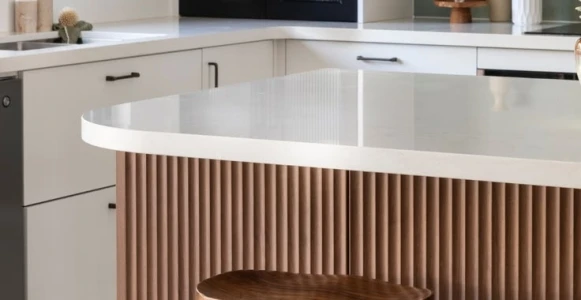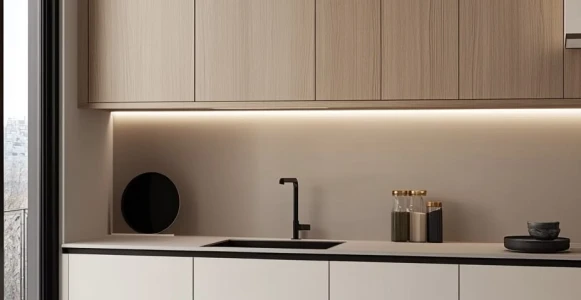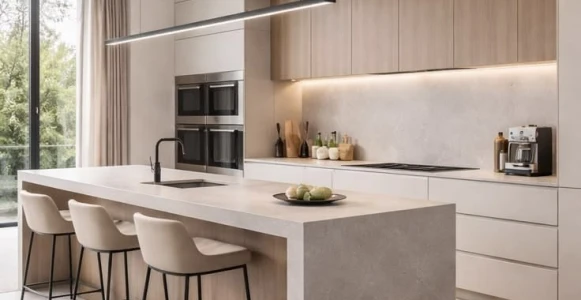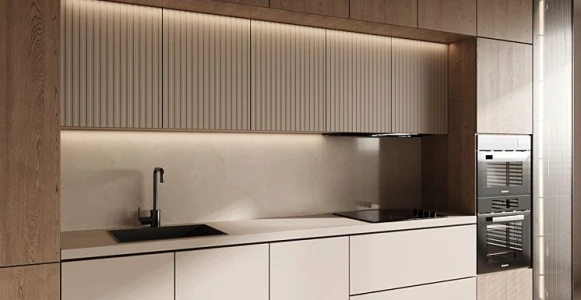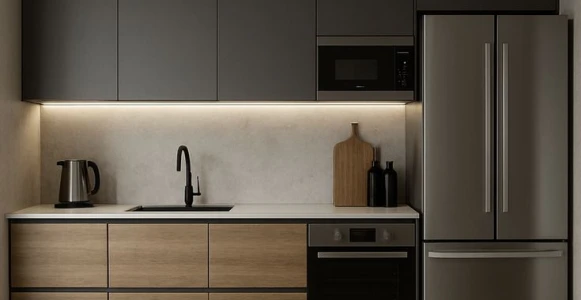
Classic Wooden Kitchen, step into a space where time slows down, and the gentle whisper of natural timber tells stories of generations gathered around a warm hearth. The classic wooden kitchen is not merely a culinary workspace; it is the emotional center of the home, where texture, aroma, and memories intertwine. Creating this timeless sanctuary starts with selecting the right Kitchen cabinets that balance traditional artistry with modern convenience. From the tactile richness of hand-finished oak to the intricate craftsmanship of bespoke cabinet interiors, every element of a classic timber kitchen is designed to age gracefully, developing a rich patina that celebrates the passage of time.
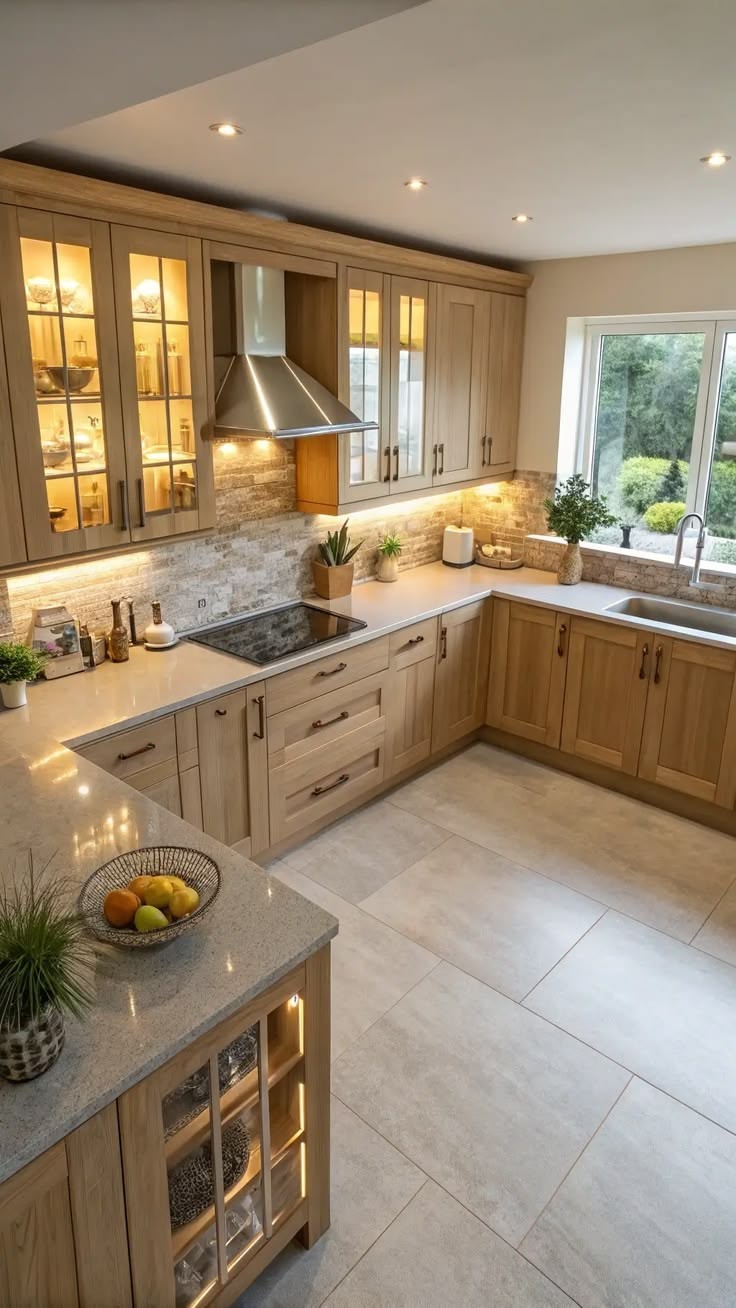
The Soul of the Classic Wooden Kitchen
There is an inherent warmth in timber that synthetic materials simply cannot replicate. Wood is a living, breathing medium, boasting unique growth rings, mineral streaks, and knots that narrate the history of the tree from which it was harvested. When integrated into home design, these organic patterns bring a sense of grounding and tranquility, connecting indoor living spaces with the quiet beauty of the natural world.
In classical design, the choice of wood is a deliberate statement of permanence. Unlike fleeting interior design trends that shift with every season, a wooden kitchen represents a lifelong investment. It is a commitment to quality materials, slow craftsmanship, and architectural integrity. The structural solidity of hardwood evokes a comforting sense of safety and permanence, turning the kitchen into a sanctuary where family life unfolds in its most authentic form.
Furthermore, wood possesses an incredible sensory appeal. The soft thud of a solid timber door closing, the textured feel of open-grain oak beneath your fingertips, and the faint, sweet scent of natural oils create an immersive experience. It is this multisensory richness that transforms cooking from a daily chore into a therapeutic ritual, making the wooden kitchen the most beloved room in the house.
Architectural Anatomy of Classic Wood Cabinets
To truly appreciate the artistry of classic cabinetry, one must look closely at its structural anatomy. Traditional woodworking relies on joinery techniques perfected over centuries, ensuring that each cabinet is not only beautiful but also built to withstand decades of daily use. Let us explore the defining architectural characteristics of classic timber cabinetry.
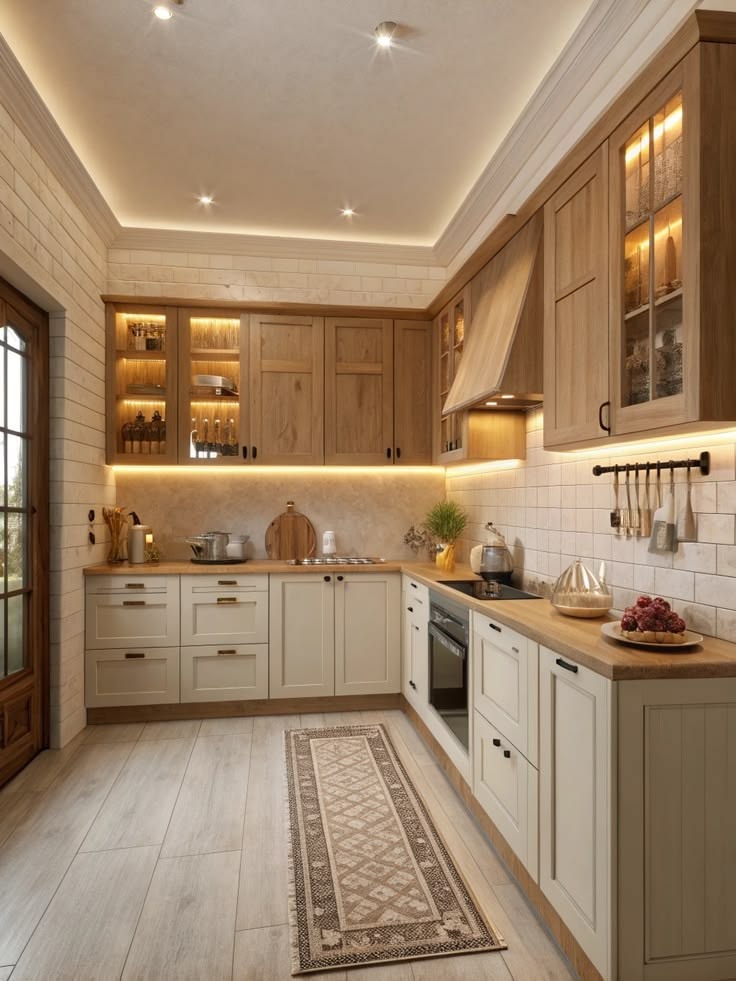
Door Profiles: The Face of Tradition
The cabinet door profile sets the stylistic tone for the entire kitchen space. Classic kitchens typically favor designs that feature depth, shadow lines, and structural elegance:
- Raised Panel Doors: A hallmark of traditional design, the center panel of the door is raised, featuring carved edges that slope down to a groove. This profile creates beautiful depth and shadow, catching the light elegantly throughout the day.
- Recessed Panel (Shaker Style): Known for its clean lines and versatility, the Shaker door features a flat center panel framed by square stiles and rails. While simple, it brings an understated, honest craftsmanship to the kitchen.
- Beaded Inset Cabinetry: A premium construction style where the cabinet door sits flush within the frame rather than resting on top of it. A small, rounded "bead" detail is carved into the face frame, outlining the door and adding a layer of exquisite, historic detailing.
Wood Species and Their Unique Personalities
Choosing the right wood species is akin to choosing the canvas for a painting. Each timber species carries its own grain pattern, density, and natural color tone:
- Oak (White and Red): Renowned for its prominent cathedral grain and exceptional durability. White oak offers a tighter, more linear grain with soft, golden-brown tones, while red oak features a more expressive, swirling pattern with warm, pinkish undertones.
- Cherry: Highly prized for its smooth, fine grain and luxurious color. Cherry wood starts as a warm golden-pink and naturally deepens into a rich, lustrous reddish-brown when exposed to natural light, adding warmth over time.
- Maple: A dense, heavy hardwood with a remarkably smooth, uniform grain. Its light, creamy color makes it an excellent choice for both delicate natural stains and smooth, painted finishes.
- Walnut: The epitome of luxury. Walnut features a magnificent, swirling grain pattern in deep chocolate brown, charcoal, and warm auburn tones. It adds an instant sense of drama and sophistication to any kitchen layout.
Artisan Embellishments and Molding
A classic wooden kitchen is defined by its architectural details. Hand-carved elements and custom moldings bridge the gap between simple storage units and high-end architectural furniture:
- Crown Molding: Installed along the top of wall cabinets, crown molding draws the eye upward, softening the transition between the cabinetry and the ceiling while giving the kitchen a grand, built-in appearance.
- Corbels and Brackets: Beautifully carved wooden supports positioned under countertops, range hoods, or open shelving. They evoke the charm of historical manor kitchens and add visual support.
- Pilasters and Fluted Columns: Often used to frame large appliances, range areas, or island corners, these vertical details mimic classical Greek and Roman architecture, adding structural rhythm and dignity.
The Palette of Finishes: Enhancing Nature's Artistry
A timber kitchen's finish does more than protect the wood from grease and moisture; it determines how the wood interacts with light and how it ages. Traditional finishing techniques focus on highlighting the wood's inherent grain rather than masking it under thick, artificial layers.
Natural Stains and Clear Seals
For those who wish to celebrate the organic raw beauty of wood, clear sealants and natural stains are the ideal choice. A high-quality matte or satin clear coat protects the wood fibers while allowing the authentic color variations and grain texture to remain fully visible. Light amber stains can enhance the golden warmth of oak, while rich espresso stains can lend a majestic, historic feel to maple cabinetry.
The Art of Painted Timber
Painted wooden kitchens offer a different kind of classic charm. Unlike synthetic painted surfaces, painted timber cabinets retain the subtle, organic texture of the wood grain beneath the paint film, revealing their natural origins upon closer inspection. Timeless color choices include:
- Muted Earth Tones: Sage green, olive, warm terracotta, and sandy ochre connect the kitchen to the natural landscape outside.
- Deep Historic Hues: Prussian blue, forest green, and charcoal grey create a dramatic, cozy atmosphere, especially when paired with warm brass fixtures.
- Soft Neutrals: Cream, linen, antique white, and soft pewter offer a bright, airy feel while remaining warm and inviting.
Hand-Applied Patinas and Glazes
To give newly crafted cabinets a sense of history, skilled artisans often employ hand-applied glazing and antiquing techniques. A dark glaze is carefully brushed over the painted or stained surfaces and then wiped away, leaving subtle shadows in the crevices, profiles, and corners of the cabinet doors. This technique accentuates the wood's structural lines, giving the entire kitchen an heirloom quality that feels as though it has been loved and preserved for generations.
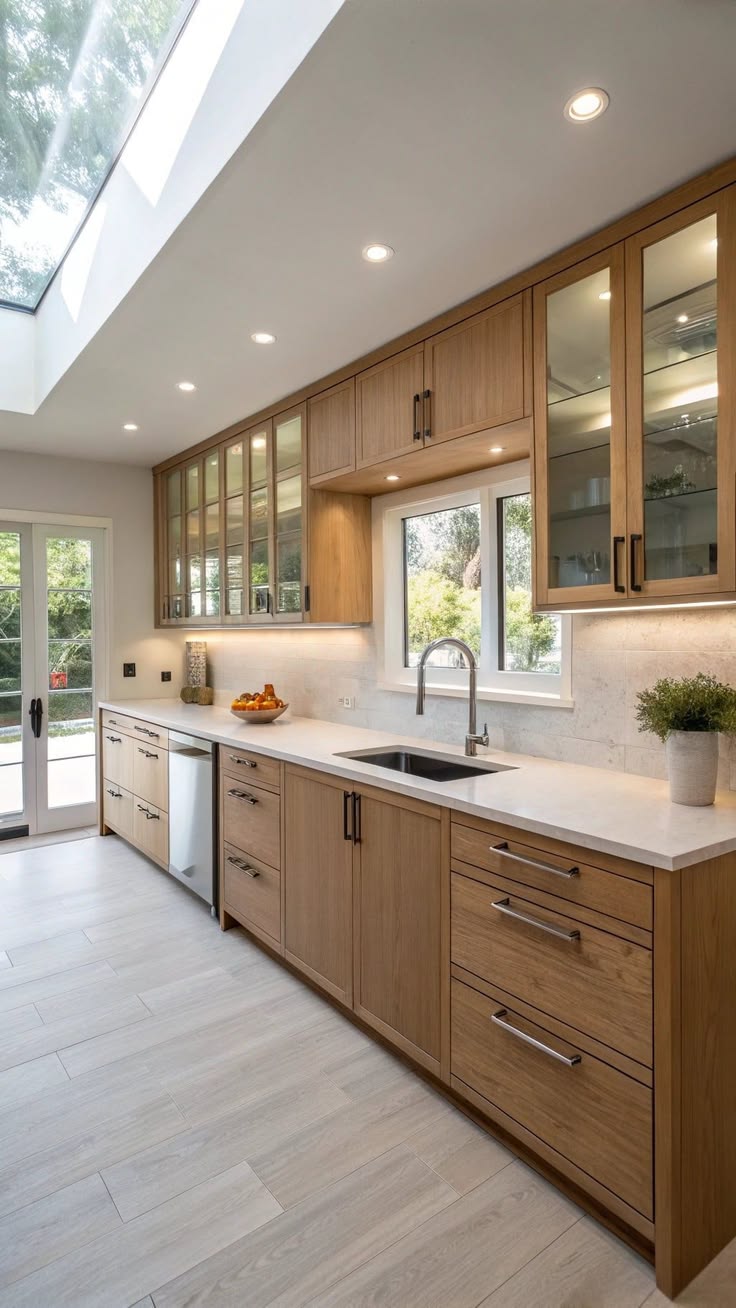
The Soul Inside: Designing Classic Kitchen Cabinet Interiors
While the exterior of a classic wooden kitchen captivates the eye with its timeless beauty, the true test of high-end design lies within the cabinet interiors. A luxury classic kitchen must balance historical aesthetics with modern, ergonomic functionality. The interior should feel just as premium, warm, and thoughtfully organized as the exterior.
Solid Timber Drawer Boxes and Dovetail Joinery
Opening a cabinet drawer should be a sensory pleasure. High-end classic kitchens eschew metal drawer sides in favor of solid wood drawer boxes, typically crafted from maple, beech, or oak. These drawer boxes are held together by English dovetail joints—a traditional woodworking technique characterized by interlocking wedge-shaped fingers. Dovetail joints are not only incredibly strong, resisting the pull-forces of heavy cookware, but they also stand as a universal symbol of premium, artisan craftsmanship.
The Walk-In Pantry and Larder Cabinet
The traditional larder is the crown jewel of classic kitchen interiors. Often designed as a tall, double-door cabinet, opening it reveals an organized world of culinary inspiration. Inside, the larder can be customized with:
- Solid Wood Spice Racks: Mounted directly onto the inside of the cabinet doors, keeping frequently used seasonings at eye level.
- Cold Stone Shelves: A marble or granite shelf integrated inside the pantry keeps baking ingredients cool and provides a beautiful contrast to the surrounding wood.
- Internal Pull-Out Drawers: Deep timber drawers designed to hold dry goods, complete with glass fronts so you can easily identify ingredients at a glance.
- Bespoke Bread and Vegetable Bins: Breathable wooden crates lined with fabric or featuring slatted bottoms to keep fresh produce in optimal conditions.
Smart Storage Solutions for the Modern Cook
A classic wooden kitchen does not mean compromising on modern conveniences. Intelligent hardware can be seamlessly integrated behind traditional timber fronts, maintaining the historical aesthetic while providing cutting-edge ergonomics:
- Corner Carousels and LeMans Pull-Outs: High-quality wooden trays that gracefully glide out of blind corner cabinets, bringing heavy pots and pans directly to you without requiring you to bend or reach into deep recesses.
- Deep Pegged Drawers: Large pull-out drawers equipped with adjustable wooden pegs. These pegs can be rearranged to securely hold plates, bowls, and serving platters in place, preventing them from shifting or chipping when the drawer is opened.
- Integrated Appliance Garages: Corner or counter-level cabinets with pocket doors that slide back into the carcass. These hide modern appliances like espresso machines, blenders, and toasters, keeping the countertops clean and uncluttered.
Curating the Surroundings: Materials that Harmonize with Wood
A classic wooden kitchen relies on a carefully curated orchestra of supporting materials. To make the timber cabinets truly shine, the surrounding elements—countertops, backsplashes, sinks, and hardware—must be selected with equal care, prioritizing natural, authentic materials that share the wood's timeless character.
The Elegance of Natural Stone Countertops
Nothing complements the warmth of natural wood quite like the cool, tactile texture of natural stone. The pairing of these two elements creates a perfect balance of organic warmth and structural strength:
- Marble: Classic white marble, such as Carrara or Calacatta, brings a breath of brightness and luxury to dark stained or painted cabinets. The soft grey veining of marble echoes the organic movement of wood grain.
- Soapstone: A dense, dark stone with a silky, soap-like texture. It naturally darkens to a deep charcoal-black over time, creating a dramatic, historic contrast when paired with light wood or warm white cabinetry.
- Quartzite: For those seeking the elegant look of marble with the extreme durability of granite, natural quartzite is a marvelous choice, offering exquisite crystalline patterns and exceptional scratch resistance.
Classic Farmhouse Sinks and Historic Brassware
The sink area is a central focal point of any classic kitchen. Replacing a standard undermount stainless steel sink with a traditional apron-front Belfast or farmhouse sink in white fireclay immediately elevates the room's historic charm. These deep, heavy basins are both highly functional and visually striking.
For the tapware, opt for bridge mixers or gooseneck faucets in living finishes like unlacquered brass, oil-rubbed bronze, or hand-polished copper. Unlike modern chrome, living finishes are designed to oxidize over time, developing a unique, weathered patina that mirrors the natural aging process of the wooden cabinetry around them.
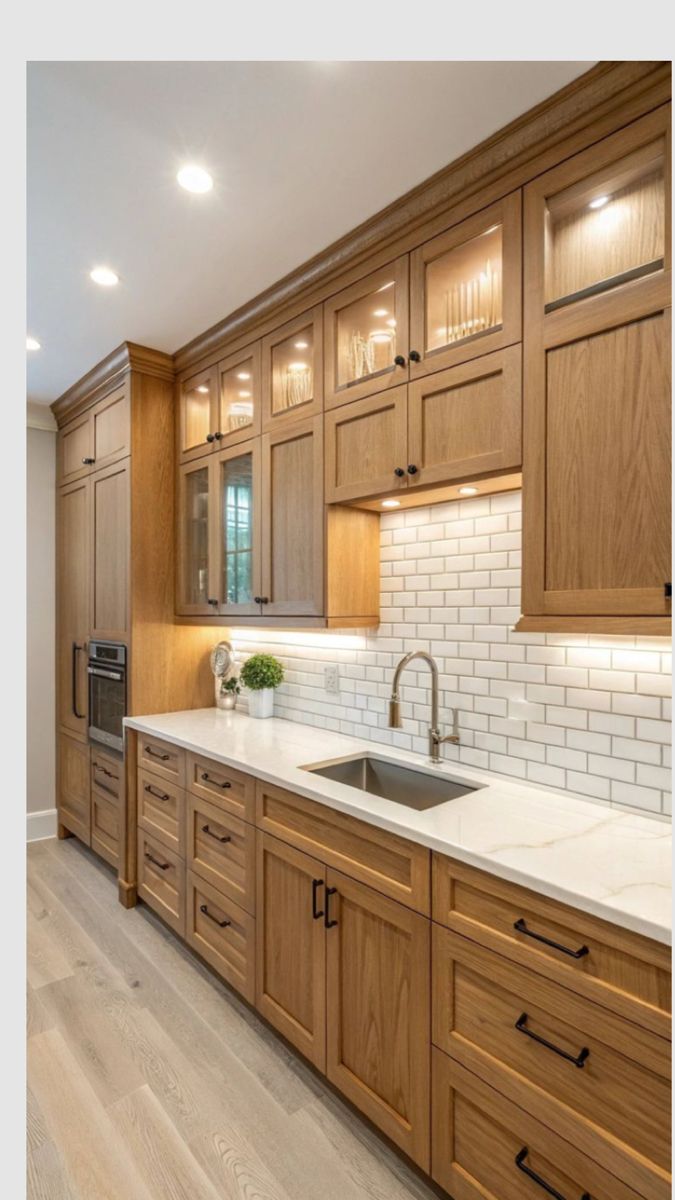
Backsplashes with Handcrafted Character
The ideal backsplash for a classic wooden kitchen should feel tactile and warm. Avoid ultra-glossy, perfectly uniform glass tiles. Instead, consider:
- Zellige Tiles: Hand-molded clay tiles from Morocco, characterized by their slight variations in shape, texture, and color tone. When installed, they catch the light in a soft, undulating way that perfectly mirrors the organic irregularity of natural wood.
- Beadboard Paneling: Classic vertical wooden tongue-and-groove boards painted to match or complement the cabinetry, creating a cozy, cottage-inspired feel.
- Slab Backsplashes: Extending the countertop stone up the wall to the underside of the upper cabinets or shelving for a clean, seamless, and luxurious appearance.
Illuminating the Classic Timber Kitchen
Lighting is the invisible paintbrush that highlights the rich textures of a wooden kitchen. Without proper lighting design, the warmth of dark timbers can become lost in shadow, and the intricate details of carved moldings can go unnoticed. A successful classic lighting scheme relies on layers of warm, inviting light.
Begin with functional task lighting. Warm-toned LED strip lights can be discreetly recessed into the undersides of wall cabinets or behind light rail moldings. This casts a direct, soft glow onto the countertops, illuminating prep areas without exposing the light source directly to the eye.
For ambient lighting, statement pendant lights placed over a kitchen island or dining table act as visual anchors. Classic lantern-style fixtures in brass, clear glass schoolhouse pendants, or woven rattan fixtures add architectural character while casting a warm, diffuse glow throughout the room.
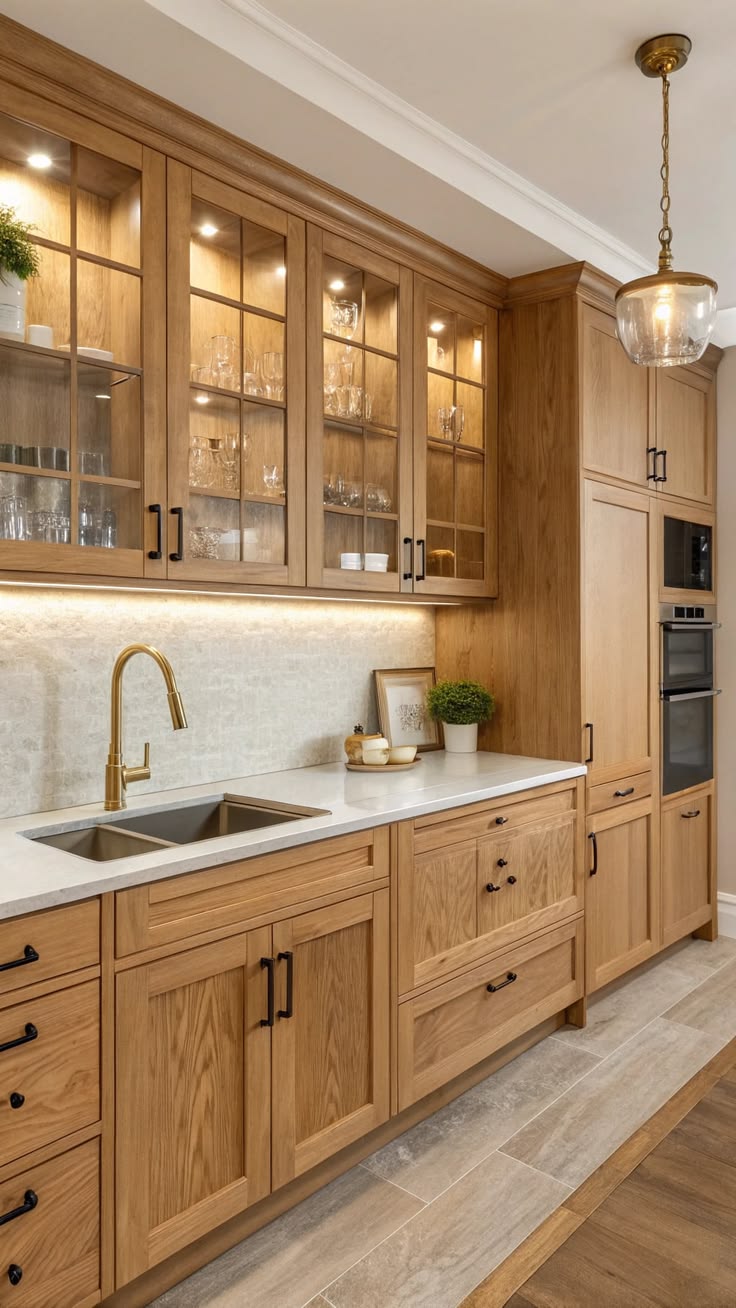
Finally, do not forget accent lighting inside your cabinetry. Installing low-voltage puck lights inside glass-front display cabinets transforms them into glowing display cases, showcasing fine china, heirloom glassware, and the beautiful timber grain of the cabinet interiors. This soft interior glow adds incredible depth, making the kitchen feel spacious, layered, and welcoming even during the quietest hours of the evening.
Caring for Your Wooden Masterpiece: A Guide to Longevity
A classic wooden kitchen is built to last a lifetime, but like all natural materials, it benefits from mindful care and maintenance. By understanding how wood interacts with its environment, you can ensure that your cabinetry remains as beautiful on its fiftieth anniversary as it was on the day it was installed.
Managing Indoor Climate
Wood is hygroscopic, meaning it naturally absorbs and releases moisture to adapt to its surrounding environment. In humid seasons, wood can swell slightly, while in dry, cold months, it may contract. To minimize this natural movement and prevent warping or cracking, try to maintain a stable indoor humidity level—ideally between 35% and 55%.
Gentle, Natural Cleaning
Harsh chemical cleaners, ammonia, and abrasive scrubbing pads can strip away the protective topcoat and dull the wood's natural luster. For daily cleaning, use a soft microfiber cloth slightly dampened with warm water and a mild, pH-neutral dish soap. Always wipe in the direction of the wood grain to avoid micro-scratches, and dry the surface immediately with a clean, soft cloth to prevent water spots from forming.
Rejuvenating the Wood
Every year or two, stained or natural timber cabinets appreciate a little extra nourishment. Applying a high-quality, natural beeswax or cabinet conditioner helps replenish the wood's moisture, protects it from drying out, and restores its soft, organic glow. Simply buff the wax onto the clean cabinet doors using a soft cloth, let it sit for a few minutes, and polish it gently to reveal a lustrous, protective finish.
Building a Legacy Space
In a world of fast-paced changes and temporary designs, the classic wooden kitchen stands as a beautiful testament to the enduring power of nature and human craftsmanship. It is a space designed not just for preparing meals, but for sharing stories, nurturing relationships, and slowing down to appreciate the simple pleasures of home.
Every detail—from the choice of sturdy oak or warm cherry wood to the design of the internal drawers—is an investment in a space that will gather memories and grow more beautiful with each passing year. When you choose a classic wooden kitchen, you are not simply remodeling a room; you are creating an heirloom, building a legacy of warmth, comfort, and timeless beauty that your family will cherish for generations to come.
Elite Cabinetry
Address: 7 Castlemore Mews, Ballajura WA 6066, Australia
Hotline: 0061416988655
Phone: 0061416988655
Email: sales@elitecabinetry.com.au
Website: https://elitecabinetry.com.au/