
Free Shipping & Free Return

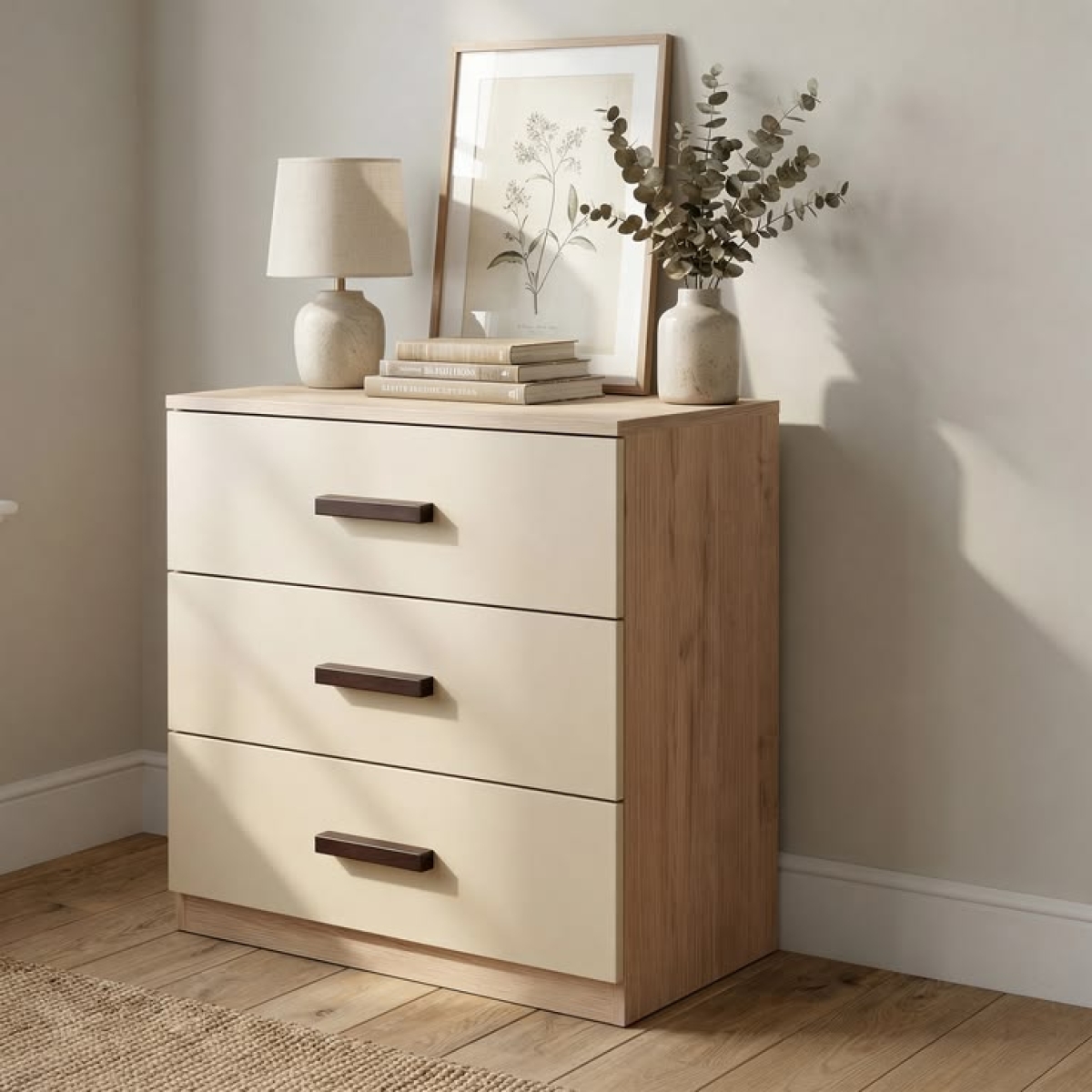
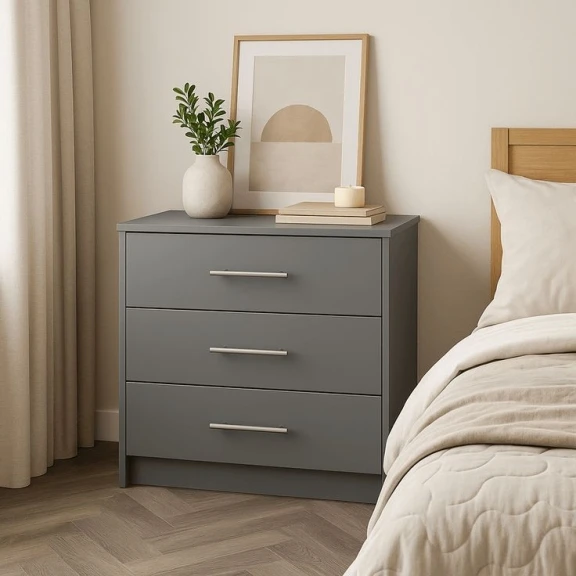
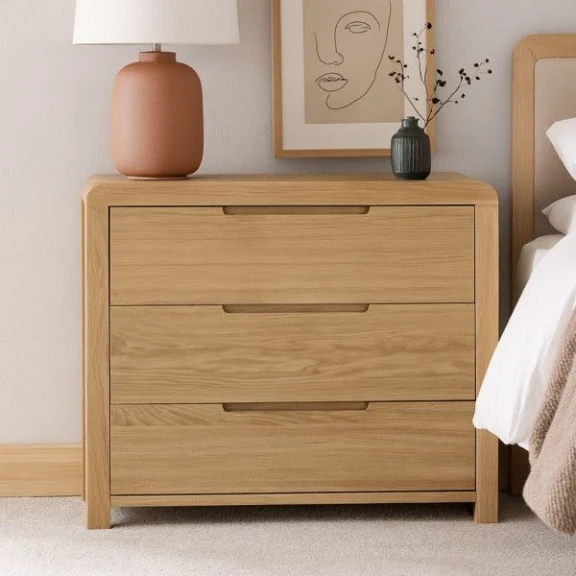
3 Drawer Chest
SKU: 800mm 3DrawerBC
Upgrading your kitchen storage requires a balance of smart space planning, premium hardware, and robust construction. Homeowners in Western Australia frequently struggle to find the ideal unit that balances massive volume with everyday accessibility. An 800mm 3 Drawer Base Cabinet has emerged as the definitive benchmark for modern kitchen ergonomics, offering a highly functional layout that bridges the gap between narrow utility storage and excessively wide, heavy drawers.
Traditional kitchen designs rely heavily on standard under-bench cabinets with double doors and fixed shelves. While these units are simple to manufacture, they present significant ergonomic challenges. Accessing items stored at the back of a 600mm deep shelf requires bending down, kneeling, or removing half of the front items. This layout creates dark, forgotten zones where expired pantry goods and rarely used cookware gather dust.
Modern kitchen ergonomics prioritize movement and visibility. Deep base drawers have almost entirely replaced traditional doors in high-end Perth renovations. When you pull out a drawer, the entire contents are displayed from a bird's-eye view, making retrieval instant and comfortable. Studies in kitchen workflow efficiency show that replacing lower shelves with drawers can cut the time spent retrieving items by up to 30%, while reducing physical strain on the lower back.
Within this framework, the 800mm width is highly valuable. Narrower drawers, such as 400mm or 450mm units, are excellent for small utensils but fail to fit larger pots and pans. Conversely, ultra-wide drawers measuring 1000mm or 1200mm require specialized heavy-duty runner systems to prevent sagging and can become difficult to pull open when fully loaded. The 800mm configuration offers the ideal balance, providing ample interior space without putting excessive stress on the cabinet's moving parts.
To understand why a premium base cabinet performs reliably over decades, it helps to examine its structural components. Every element, from the core board to the edge banding, must be engineered to withstand the daily wear and tear of a busy kitchen environment.
The carcass is the structural box of the cabinet. Premium Australian cabinetry standards require 16mm or 18mm thick HMR (Highly Moisture Resistant) particleboard or MDF for all structural panels. HMR board is manufactured with a specialized moisture-resistant resin, which prevents the wood fibers from swelling and splitting when exposed to steam, spills, or high humidity.
Cheaper import cabinets often feature a thin 3mm or 5mm hardboard back panel slotted into a groove. Over time, these backs bow, pull away, or let moisture seep in from the wall behind. A professional-grade cabinet uses a solid 16mm back panel. This solid construction ensures the entire cabinet remains perfectly square during installation and can support heavy stone countertops, such as engineered quartz or granite, without shifting.
The drawer box is the moving inner component of the cabinet. In modern kitchen joinery, there are two primary construction methods for drawer boxes:
The drawer fronts are the visible face of your cabinetry. They must be perfectly aligned, with uniform margins (typically 2mm to 3mm shadow lines) between drawers. The attachment brackets must allow for three-dimensional adjustment—up and down, left and right, and tilt angle—so the installer can align the drawer fronts perfectly, even if the floor or walls are slightly uneven.
Choosing the width of your under-bench cabinets determines how much storage you get and how easy your kitchen is to use. Let's compare the 800mm unit to other standard widths to understand why it is so popular with kitchen designers.
While a 450mm drawer is useful for cutlery, cling wrap, and baking paper, its internal volume is highly restricted. Once you subtract the width of the drawer sides and the runner clearance (usually around 60mm to 80mm in total), you are left with a narrow storage channel. Standard frying pans with long handles, large dinner plates, and wide mixing bowls cannot sit flat in these units, forcing you to stack them at awkward angles.
Wide drawers look sleek in minimalist, contemporary designs, but they present structural challenges. A 1000mm or 1200mm drawer filled with heavy cast-iron cookware, ceramic baking dishes, or stacked dinnerware can easily weigh over 40kg. Even high-end soft-close runners will experience slight deflection under this weight, leading to a spongy feel when closing. Additionally, opening a wide drawer requires you to step back further to clear the front panel, which can disrupt your workflow in narrow galley kitchens.
An 800mm wide cabinet solves these issues. It is wide enough to store two large pots side-by-side or accommodate two rows of 28cm dinner plates. The internal width easily holds extra-large cutlery trays, knife blocks, and spice organizers. At the same time, the drawer remains light enough for smooth, effortless operation, even when loaded with heavy pantry staples, and it fits neatly into almost any standard kitchen layout.
A standard 3-drawer base cabinet features a smart "1 shallow, 2 deep" configuration. This arrangement is widely considered the most efficient layout for under-bench storage, as it aligns perfectly with how we use kitchen tools.
The top drawer typically has a front height of 140mm to 175mm, with an internal usable depth of around 80mm to 100mm. This drawer sits directly below the benchtop, making it the most accessible storage space in your kitchen. It is designed for items you use multiple times a day:
The middle drawer usually has a front height of 280mm to 300mm. This is where you store your core kitchen items. Because you do not have to bend down too far to open it, it is ideal for heavier items that are used at every meal:
The bottom drawer is the deepest, with a front height of 320mm to 360mm. It is designed to handle bulky, heavy kitchen equipment. By placing these items at the lowest point, you keep the kitchen's center of gravity low and prevent heavy items from being lifted from high shelves, which is a common cause of shoulder and back strain:
Western Australia's climate can be demanding on cabinetry materials. In coastal areas of Perth, salt-laden air can accelerate the corrosion of cheap metal hardware, while dry, hot summers followed by wet, humid winters can cause low-grade timbers and adhesives to warp, peel, or crack.
When ordering cabinetry in Perth, always verify that the cabinet carcass is made from HMR board that meets Australian Standard AS/NZS 1859.2. Standard MDF or non-HMR particleboard will absorb airborne moisture from cooking steam and dishwashers, causing the edges to swell and swell permanently. HMR particleboard features a green dye in the core matrix to indicate its moisture-resistant properties, giving you peace of mind that your cabinets are built to last.
The exterior finish of your drawer fronts must resist scratches, impact, water splashes, and UV fading from the strong WA sun. The three most popular and durable finishes include:
The vulnerable point of any melamine or laminate door is the edge. Traditional cabinetry uses EVA (Ethylene Vinyl Acetate) hot-melt glues, which can melt if exposed to heat from an oven or break down under constant contact with moisture. Premium cabinets are finished using PUR (Polyurethane) edge banding or laser fusion technology. PUR adhesive forms a chemical bond that is waterproof and can withstand temperatures up to 150 degrees Celsius, ensuring your drawer fronts will never peel at the edges.
The quality of a drawer cabinet is directly tied to the performance of its runners. You can use the most expensive cabinet panels, but if the runners sag, stick, or squeak, the entire kitchen will feel cheap and frustrating to use.
An 800mm base drawer must carry significant weight. Standard drawer runners are rated for 30kg. While this is sufficient for a cutlery drawer, a deep bottom drawer filled with cast-iron cookware can easily exceed this limit. Overloaded runners will wear out quickly, losing their smooth glide and soft-close functionality. High-quality cabinetry utilizes 50kg or even 70kg heavy-duty dynamic load-rated runners for deep drawer configurations, ensuring they glide open effortlessly, even when fully loaded.
Modern premium drawers feature built-in hydraulic or pneumatic dampening systems. When you push the drawer closed, the soft-close mechanism catches the drawer box and gently glides it into place, preventing slammed drawers, noise, and damage to your stored dinnerware.
For minimalist, handleless kitchens, push-to-open (or touch-to-open) mechanisms are combined with soft-close technology. A light press with your knee or hand releases the drawer, making it easy to open when your hands are dirty or full of prep work.
When reviewing cabinetry specifications, look for trusted international brands that offer lifetime warranties on their moving parts:
The design of your 800mm base cabinet should complement the architectural style of your home. Whether you are renovating an iconic federation home in Subiaco or building a modern coastal retreat in Cottesloe, your cabinetry can be tailored to match your vision.
To achieve a clean, streamlined look, handleless designs are highly popular. This style is achieved in two ways:
The Hamptons style remains a timeless choice for Perth homes, characterized by light, airy spaces and classic details. Shaker-style drawer fronts feature a recessed center panel with a clean outer frame. On an 800mm 3-drawer cabinet, Shaker styling adds beautiful depth and texture. To complete the look, pair these fronts with traditional shell handles, cup pulls, or elegant brass T-bars.
For a bold, modern look, industrial-style kitchens combine dark matte finishes, such as charcoal or navy, with warm timber grain laminates. You can contrast these dark surfaces with black metal handles, exposed steel mesh inserts, or concrete-look engineered stone benchtops.
Installing an under-bench cabinet requires precision. If the cabinet is out of level by even a few millimeters, the drawers may drift open, rub against each other, or show uneven gaps. Below is a professional guide to installing your 800mm 3-drawer base cabinet.
Perth homes often feature concrete slab floors with tile or hybrid plank finishes, which are rarely perfectly level. Modern cabinets are mounted on adjustable plastic legs (usually 100mm to 150mm high) hidden behind a clip-on kickboard.
Place the cabinet in position and use a high-quality spirit level (at least 900mm long) to check the level across the top of the cabinet from left to right, and from front to back. Adjust the legs by screwing them up or down until the cabinet carcass is perfectly level in both directions.
Never rely on the weight of the stone benchtop to hold your cabinets in place. The cabinet must be securely anchored to the wall studs or masonry wall. If you are mounting to a stud wall, use a stud finder to locate the timber studs and drive heavy-duty wood screws through the solid 16mm back rail of the cabinet.
For brick walls, which are common in older Perth homes, drill pilot holes through the back rail and into the masonry, insert heavy-duty wall plugs (such as rawlplugs), and secure the unit with masonry screws. This anchoring prevents the cabinet from tilting forward when all three drawers are pulled open simultaneously.
If your 800mm cabinet is part of a larger run of cabinetry, it must be joined to its neighbors. Clamp the side panels of the adjacent cabinets together, ensuring the front edges are perfectly flush. Drive 28mm to 30mm cabinet connection screws through the side panels to pull them tightly together, creating a seamless, unified structure.
Once the carcass is locked into place, insert the drawer boxes into the runners. Push them all the way back until you hear a click, indicating that the drawer is locked onto the runner hooks.
Now comes the crucial step of aligning the drawer fronts. Using the adjustment dials on the inside of the drawer sides or underneath the runner brackets, fine-tune the front panels:
An 800mm drawer offers plenty of raw volume, but without proper organization, it can quickly become a cluttered mess. Utilizing modular interior accessories helps keep your kitchen neat and efficient.
Do not settle for a small, generic plastic cutlery tray that slides around inside a wide drawer. Instead, install a full-width modular organizer made from stainless steel or natural timber. These systems can be customized with adjustable dividers to hold everything from small teaspoons to long soup ladles and chef's knives, keeping your prep tools neatly in place.
Storing plates and bowls in drawers is highly ergonomic, but they can slide and rattle when you open and close the drawer. To prevent this, use a pegboard system. This features a perforated base board with adjustable timber or plastic pegs that can be positioned tightly around your plates, bowls, or cooking pots, locking them securely in place.
For deep bottom drawers, steel frame organizers (such as Blum's Ambia-Line or Orga-Line) can be clipped onto the drawer sides. These frames allow you to divide the drawer into custom zones, making it easy to stand up cutting boards, baking trays, frying pans, and food containers without them falling over.
Always line the bottom of your drawers with a high-quality, non-slip rubber mat. This simple addition protects the melamine surface from scratches, dampens noise when placing items in the drawer, and stops small kitchen tools from sliding around during operation.
When investing in kitchen cabinetry, choosing the right manufacturer makes all the difference. Locally designed and manufactured cabinets are tailored to withstand Western Australia’s unique climate and are built to the highest trade standards. Investing in quality cabinetry ensures that your kitchen remains functional, beautiful, and valuable for years to come.
Elite Cabinetry
Address: 7 Castlemore Mews, Ballajura WA 6066, Australia
Hotline: 0061416988655
Phone: 0061416988655
Email: sales@elitecabinetry.com.au
Website: https://elitecabinetry.com.au/